How Science-Backed Candidate Testing Can Remove Unconscious Bias in Your Hiring Process

Unconscious bias is a pervasive issue in hiring processes, often leading to less diverse and less effective teams. Despite good intentions, many hiring managers and recruiters fall prey to unconscious biases, which can influence their decisions based on factors unrelated to job performance.

A Deloitte survey of 3,000 individuals explored unconscious bias in the workplace, finding that 39% of employees shared that they experience it at least once a month, regarding it as “frequent”.

This is where science-backed candidate testing comes in, offering a solution to mitigate these biases and create a more fair and effective hiring process.

emotional intelligence when hiring and managing employees

UNDERSTANDING UNCONSCIOUS BIAS

Unconscious bias refers to the automatic, mental shortcuts and stereotypes that our brains use to process information quickly. These biases can be based on race, gender, age, appearance, and other characteristics. Even though we may not be aware of these biases, they can significantly impact our decisions and behaviors.

In the context of hiring, unconscious bias can manifest in various ways:

  • Affinity bias: Favouring candidates who share similar backgrounds or interests.
  • Confirmation bias: Seeking information that confirms pre-existing beliefs about a candidate.
  • Halo effect: Letting one positive aspect of a candidate overshadow all other considerations.
  • Horns effect: Letting one negative aspect of a candidate overshadow all other considerations.

These biases can lead to unfair hiring practices, where candidates are evaluated based on subjective criteria rather than their actual qualifications and potential.

THE ROLE OF SCIENCE BACKED CANDIDATE TESTING

Science-backed candidate testing involves using validated, objective assessments to evaluate candidates’ skills, abilities, and fit for a role. These assessments are designed based on psychological principles and research, ensuring that they measure relevant competencies accurately and fairly.

There are several types of assessments commonly used in science-backed candidate testing:

  • Cognitive ability tests: Measure general mental ability, including problem-solving skills, logical reasoning, and numerical aptitude.
  • Personality tests: Assess personality traits and behavioural tendencies that are relevant to job performance.
  • Skills tests: Evaluate specific skills required for the job, such as technical abilities or language proficiency.
  • Situational judgment tests: Present candidates with job-related scenarios and assess their judgment and decision-making skills.

BENEFITS OF SCIENCE-BACKED CANDIDATE TESTING

Implementing science-backed candidate testing in your hiring process offers several benefits that can help reduce unconscious bias and improve overall hiring outcomes.

Objectivity and Consistency

One of the main advantages of science-backed candidate testing is the objectivity it brings to the hiring process. Unlike subjective interviews or resume reviews, these assessments provide standardised, quantifiable data on each candidate’s abilities and traits. This helps ensure that all candidates are evaluated based on the same criteria, reducing the influence of unconscious bias.

Evidence-Based Decisions

Science-backed assessments are developed and validated through rigorous research, ensuring that they accurately measure the competencies they are designed to assess. This evidence-based approach provides a reliable foundation for making hiring decisions, increasing the likelihood of selecting candidates who will perform well in the role.

Diverse Talent Pool

By focusing on objective assessments rather than subjective judgments, science-backed candidate testing can help identify high-potential candidates from diverse backgrounds. This is particularly important for improving diversity and inclusion in the workplace, as it ensures that all candidates have an equal opportunity to demonstrate their abilities.

Predictive Validity

Research has shown that science-backed assessments have high predictive validity, meaning they are effective at predicting future job performance. This is in contrast to traditional hiring methods, such as unstructured interviews, which are often influenced by unconscious biases and have lower predictive validity.

IMPLEMENTING SCIENCE-BACKED CANDIDATE TESTING IN YOUR HIRING PROCESS

To effectively reduce unconscious bias in your hiring process using science-backed candidate testing, consider the following steps:

Define Job Requirements Clearly

Start by clearly defining the competencies and skills required for the role. This will help ensure that the assessments you choose are relevant and aligned with the job requirements.

Choose Validated Assessments

Select assessments that have been scientifically validated and shown to predict job performance accurately. Look for assessments that are developed by reputable organisations and backed by research.

Train Your Hiring Team

Ensure that your hiring team understands the purpose and benefits of science-backed candidate testing. Provide training on how to interpret assessment results and incorporate them into the overall hiring process.

Combine Assessments with Other Methods

While science-backed assessments are valuable, they should be used in conjunction with other hiring methods, such as structured interviews and reference checks. This holistic approach will provide a comprehensive view of each candidate’s abilities and fit for the role.

Monitor and Evaluate

Regularly monitor and evaluate the effectiveness of your hiring process. Collect data on the performance and retention of hires made using science-backed assessments and compare it to previous hiring methods. This will help you identify areas for improvement and ensure that your process continues to reduce unconscious bias.

Many organisations have successfully implemented science-backed candidate testing to reduce unconscious bias and improve their hiring outcomes. For example:

  • Google: Google uses structured interviews and a variety of assessments to evaluate candidates. By focusing on data and evidence-based methods, they have been able to reduce bias and make more objective hiring decisions.
  • Unilever: Unilever uses online assessments, including cognitive ability tests and situational judgment tests, to screen candidates. This approach has helped them identify diverse talent and improve the overall quality of their hires.

GET IN TOUCH

If you want to talk to one of our experts about how you can address unconscious bias through  science-backed assessments and ensure that you are hiring the best talent for your organisation, get in touch with our team here, or call 03 9040 1700 to learn more.

How Science-Backed Candidate Testing Can Remove Unconscious Bias in Your Hiring Process

Unconscious bias is a pervasive issue in hiring processes, often leading to less diverse and less effective teams. Despite good intentions, many hiring managers and recruiters fall prey to unconscious biases, which can influence their decisions based on factors unrelated to job performance.

A Deloitte survey of 3,000 individuals explored unconscious bias in the workplace, finding that 39% of employees shared that they experience it at least once a month, regarding it as “frequent”.

This is where science-backed candidate testing comes in, offering a solution to mitigate these biases and create a more fair and effective hiring process.

emotional intelligence when hiring and managing employees

UNDERSTANDING UNCONSCIOUS BIAS

Unconscious bias refers to the automatic, mental shortcuts and stereotypes that our brains use to process information quickly. These biases can be based on race, gender, age, appearance, and other characteristics. Even though we may not be aware of these biases, they can significantly impact our decisions and behaviors.

In the context of hiring, unconscious bias can manifest in various ways:

  • Affinity bias: Favouring candidates who share similar backgrounds or interests.
  • Confirmation bias: Seeking information that confirms pre-existing beliefs about a candidate.
  • Halo effect: Letting one positive aspect of a candidate overshadow all other considerations.
  • Horns effect: Letting one negative aspect of a candidate overshadow all other considerations.

These biases can lead to unfair hiring practices, where candidates are evaluated based on subjective criteria rather than their actual qualifications and potential.

THE ROLE OF SCIENCE BACKED CANDIDATE TESTING

Science-backed candidate testing involves using validated, objective assessments to evaluate candidates’ skills, abilities, and fit for a role. These assessments are designed based on psychological principles and research, ensuring that they measure relevant competencies accurately and fairly.

There are several types of assessments commonly used in science-backed candidate testing:

  • Cognitive ability tests: Measure general mental ability, including problem-solving skills, logical reasoning, and numerical aptitude.
  • Personality tests: Assess personality traits and behavioural tendencies that are relevant to job performance.
  • Skills tests: Evaluate specific skills required for the job, such as technical abilities or language proficiency.
  • Situational judgment tests: Present candidates with job-related scenarios and assess their judgment and decision-making skills.

BENEFITS OF SCIENCE-BACKED CANDIDATE TESTING

Implementing science-backed candidate testing in your hiring process offers several benefits that can help reduce unconscious bias and improve overall hiring outcomes.

Objectivity and Consistency

One of the main advantages of science-backed candidate testing is the objectivity it brings to the hiring process. Unlike subjective interviews or resume reviews, these assessments provide standardised, quantifiable data on each candidate’s abilities and traits. This helps ensure that all candidates are evaluated based on the same criteria, reducing the influence of unconscious bias.

Evidence-Based Decisions

Science-backed assessments are developed and validated through rigorous research, ensuring that they accurately measure the competencies they are designed to assess. This evidence-based approach provides a reliable foundation for making hiring decisions, increasing the likelihood of selecting candidates who will perform well in the role.

Diverse Talent Pool

By focusing on objective assessments rather than subjective judgments, science-backed candidate testing can help identify high-potential candidates from diverse backgrounds. This is particularly important for improving diversity and inclusion in the workplace, as it ensures that all candidates have an equal opportunity to demonstrate their abilities.

Predictive Validity

Research has shown that science-backed assessments have high predictive validity, meaning they are effective at predicting future job performance. This is in contrast to traditional hiring methods, such as unstructured interviews, which are often influenced by unconscious biases and have lower predictive validity.

IMPLEMENTING SCIENCE-BACKED CANDIDATE TESTING IN YOUR HIRING PROCESS

To effectively reduce unconscious bias in your hiring process using science-backed candidate testing, consider the following steps:

Define Job Requirements Clearly

Start by clearly defining the competencies and skills required for the role. This will help ensure that the assessments you choose are relevant and aligned with the job requirements.

Choose Validated Assessments

Select assessments that have been scientifically validated and shown to predict job performance accurately. Look for assessments that are developed by reputable organisations and backed by research.

Train Your Hiring Team

Ensure that your hiring team understands the purpose and benefits of science-backed candidate testing. Provide training on how to interpret assessment results and incorporate them into the overall hiring process.

Combine Assessments with Other Methods

While science-backed assessments are valuable, they should be used in conjunction with other hiring methods, such as structured interviews and reference checks. This holistic approach will provide a comprehensive view of each candidate’s abilities and fit for the role.

Monitor and Evaluate

Regularly monitor and evaluate the effectiveness of your hiring process. Collect data on the performance and retention of hires made using science-backed assessments and compare it to previous hiring methods. This will help you identify areas for improvement and ensure that your process continues to reduce unconscious bias.

Many organisations have successfully implemented science-backed candidate testing to reduce unconscious bias and improve their hiring outcomes. For example:

  • Google: Google uses structured interviews and a variety of assessments to evaluate candidates. By focusing on data and evidence-based methods, they have been able to reduce bias and make more objective hiring decisions.
  • Unilever: Unilever uses online assessments, including cognitive ability tests and situational judgment tests, to screen candidates. This approach has helped them identify diverse talent and improve the overall quality of their hires.

GET IN TOUCH

If you want to talk to one of our experts about how you can address unconscious bias through  science-backed assessments and ensure that you are hiring the best talent for your organisation, get in touch with our team here, or call 03 9040 1700 to learn more.

Exploring the Scales of Emotional Intelligence

Emotional intelligence (EI) has become increasingly recognised as a crucial factor in personal and professional success. As individuals navigate the complexities of interpersonal relationships, career advancement, and personal growth, their ability to understand and manage emotions plays a significant role.

TalentSmartEQ has tested the EQ of more than a million people and found that it explains 58% of success in all types of jobs. Suffice it to say, emotional intelligence is a powerful way to focus your energy in one direction with tremendous results.

To measure and assess emotional intelligence, various scales have been developed, each offering unique insights into different facets of EI. In this comprehensive guide, we delve into the scales of emotional intelligence, exploring their significance, applications, and implications for personal and professional development.

emotional intelligence when hiring and managing employees

UNDERSTANDING EMOTIONAL INTELLIGENCE

Before delving into the scales of emotional intelligence, it’s essential to grasp the concept itself. Emotional intelligence refers to the ability to recognise, understand, and manage one’s own emotions, as well as the emotions of others. It encompasses skills such as self-awareness, self-regulation, empathy, and social skills, all of which are integral to effective communication, decision-making, and relationship management.

The Components of Emotional Intelligence

Emotional intelligence is often broken down into several components or domains, each capturing different aspects of EI. These components typically include:

  1. Self-Awareness: The ability to recognise and understand one’s own emotions, strengths, weaknesses, and values.
  2. Self-Regulation: The capacity to manage and regulate one’s emotions, impulses, and reactions effectively.
  3. Social Awareness: The skill of perceiving and understanding the emotions and perspectives of others, also known as empathy.
  4. Relationship Management: The ability to build and maintain healthy relationships, communicate effectively, and resolve conflicts constructively.

Popular Scales of Emotional Intelligence

  1. The Mayer-Salovey-Caruso Emotional Intelligence Test (MSCEIT): Developed by Peter Salovey, John Mayer, and David Caruso, the MSCEIT assesses emotional intelligence based on the ability to perceive, use, understand, and manage emotions.
  2. The Genos Emotional Intelligence Assessment: The Genos assessment focuses on measuring emotional intelligence in the workplace, particularly in the context of leadership and employee effectiveness. It evaluates competencies such as self-awareness, empathy, emotional self-control, and influence.

APPLICATIONS OF EMOTIONAL INTELLIGENCE SCALES

Emotional intelligence scales find applications across various domains, including:

  • Recruitment and Selection: Many organisations use emotional intelligence assessments as part of their hiring process to identify candidates with strong interpersonal skills, leadership potential, and emotional resilience.
  • Leadership Development: Emotional intelligence assessments are often utilised in leadership development programs to help individuals enhance their self-awareness, empathy, and relationship-building skills.
  • Personal Growth and Well-being: Individuals can use emotional intelligence assessments as tools for self-reflection and personal development, gaining insights into their emotional strengths and areas for improvement.

THE IMPORTANCE OF VALIDITY AND RELIABILITY

When utilising emotional intelligence scales, it’s crucial to ensure their validity and reliability. Validity refers to the extent to which an assessment measures what it intends to measure, while reliability pertains to the consistency and stability of the results over time. Valid and reliable emotional intelligence assessments provide accurate and consistent measurements, allowing individuals and organisations to make informed decisions based on the results.

As emotional intelligence continues to gain recognition as a critical determinant of success in various aspects of life, the importance of accurate assessment becomes evident. By utilising validated and reliable scales of emotional intelligence, individuals and organisations can gain valuable insights into their emotional strengths and areas for development. Whether it’s enhancing leadership capabilities, improving interpersonal relationships, or fostering personal growth, emotional intelligence assessments offer a roadmap for navigating the complexities of human emotions with insight and resilience.

GET IN TOUCH

If you want to talk to one of our experts about how you can incorporate emotional intelligence assessments into your recruitment process, get in touch with our team here, or call 03 9040 1700 to learn more.

How Compliant is your Recruitment Process?

With the after effects of the Covid-19 pandemic beginning to subside and the employment market continuing to evolve, ensuring your organisation upholds a compliant recruitment process following all current legal requirements and best-practices is paramount to positioning yourself in this competitive hiring landscape.

Luckily, there are a lot of incentives to encourage organisations to remain compliant and up to date, with many benefits associated with its effective implementation, as well as heavily detrimental drawbacks where it may be lacking.

In this blog, we’re outlining all the important aspects that make up a compliant recruitment process and the key components every recruiter should note in its construction and implementation. We’re also going to introduce commonly used tools that can assist your organisation in achieving this success.

WHAT MAKES A RECRUITMENT PROCESS COMPLIANT?

At its core, recruitment compliance is about ensuring organisations follow legal and ethical standards when hiring new employees.

These are ever changing and require constant attention when implementing recruitment strategy. The Anti-Discrimination and Human Rights Legislation Amendment (Respect at Work) Act introduced in 2022 as an example. Organisations will need to focus on optimising their recruitment process for these changes, an area we’ve provided some insight on in our blog here.

Recruiters must ensure they are abiding by all required local laws and regulations around recruitment practice as well us keeping up to date with expected best practices by current job seekers, showcasing an intention to creating a non-discriminatory and modern recruitment process.

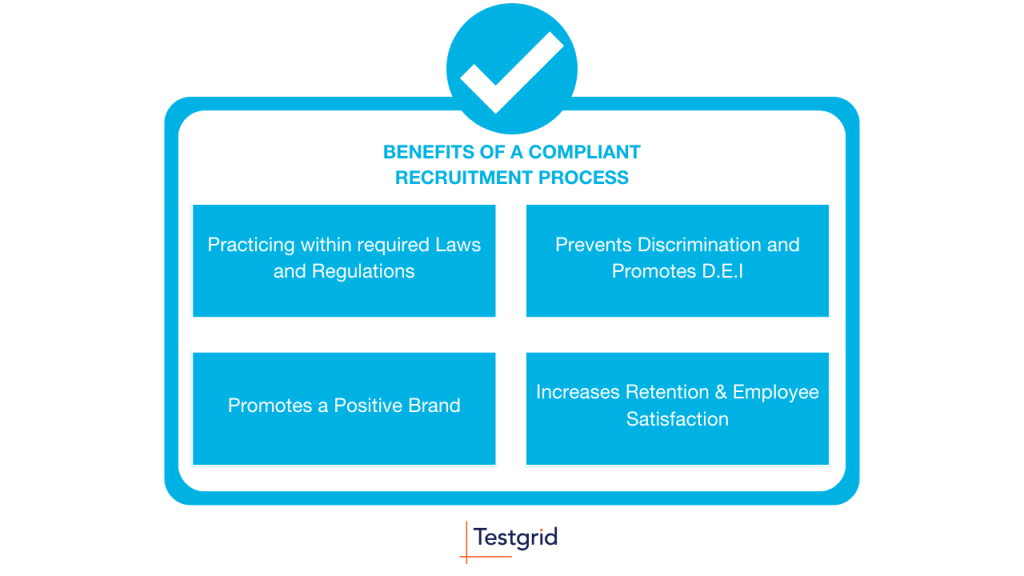
BENEFITS OF A COMPLIANT RECRUITMENT PROCESS

Benefits of a compliant recruitment process

There are a number of benefits that come with a compliant recruitment process. Let’s break them down into a few key areas.

Practicing within required Laws and Regulations

  • The most obvious advantage of a formulating a compliant recruitment process is its ability to ensure your organisation is operating in accordance with all relevant laws and regulations. Keeping up to date with all legal obligations in recruitment/employment ensures your organisation’s practices are legally defensible, protecting you from any legal liability, fines, and any other penalties.

Prevents Discrimination and Promotes D.E.I

Promotes a Positive Brand 

  • Subsequently, a non-discriminatory recruitment process means your organisation is promoting a more inclusive and positive brand. With the importance of a strong brand trending through 2024, showcasing your organisation’s favourability goes a long way to creating a high volume and high-quality candidate pool.

Increases Retention & Employee Satisfaction

  • A compliant recruitment practice even helps to future proof your hires, proving to increase employee retention and satisfaction, resulting in higher productivity and engagement. The first few weeks of a candidate’s engagement with your organisation can pave the way for a longer employment lifecycle, helping to avoid the resulting 20% of staff turnover that can occur within the first 45-days of a candidates employment where they had a bad first impression.

IMPACTS OF A NON-COMPLIANT RECRUITMENT PROCESS

Impacts of a non-compliant recruitment process

On the other end of things, there are a number of major drawbacks to a lacking recruitment process. Some of these have lasting effects and can cause crippling damage to an organisation’s future hiring success.

Candidates Taking Legal Action

  • An out-of-date recruitment process that fails to uphold legal requirements can result in candidates who report a bad experience taking legal action against your organisation. The legal risks associated with hiring can be very complex and should be considered carefully, something we’ve broken down in depth in our blog here.

Damaged Organisational Reputation

  • A non-compliant recruitment process can be very detrimental to your organisation’s reputability. Bad candidate experiences resulting in bad reviews can lead to your organisation looking far less attractive than its competitors. Research indicates that 50% of job seekers won’t invest in an organisation with a bad reputation, showcasing that an organisations favourability has never been more paramount.

Diminished Attraction & Candidate Dissatisfaction

Increased Recruitment Costs

  • A non-compliant process can even impact your organisation financially, costing anywhere from $3,000 – $18,000 to replace any bad hires or early ‘quitters’. A new hire who has a bad experience with their first 90-days of engagement with your organisation are more likely to leave, resulting in your organisation having to spend more of your resources to replace them.

KEY COMPONANTS OF A COMPLIANT RECRUITMENT PROCESS

Now that we’ve explored the value of a remaining compliant, let’s look at the key components that make up a compliant end-to-end recruitment process. Here are some of the major areas your organisation can focus on.

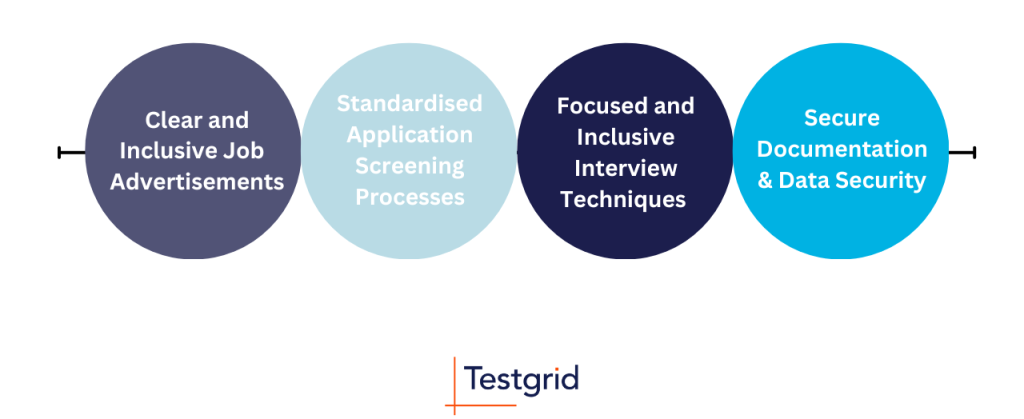
key components of a compliant recruitment process

Job Descriptions and Advertisements

  • As one of the first interactions a candidate will have with your organisation, a positive experience with a Job Description/Advertisement paves the way for a candidate’s investment in applying. As it is generally very publicly available,  it is arguably the most important area to focus on when upholding compliance.
  • Creating a compliant job advertisement should focus on using concise and inclusive language that does not discriminate against any ethnic groups, age levels, genders, or minority groups. Indicating any physical expectations, qualifications or skill requirements clearly ensures you are attracting candidates most able to fulfil the expected role, however it is important to also provide reasonable accommodation where possible for those less able.

Application and Screening Processes

  • Your application process and screening stages should be standardised and allow for equal opportunity. With the growing inclusion of technology in recruitment, there is little excuse for a recruitment process that is not consistent across high volume candidate pools.
  • To help create equal opportunity, the hiring journey should ask the right questions of every candidate applying for the same role.
  • Any pre-employment assessments used should also be standardised, while continuing to maintain a level of reasonable accommodation for less able candidates.

Interviewing Techniques

  • Often being the first time a candidate is able to come face-to-face with your organisation, your interview stage should continue to showcase your organisations inclusivity and positive brand.
  • It is important to create structured interview questions that are skills focused and relevant to the role and are not personally intrusive or discriminatory. Avoid any questions about a candidate’s gender, disability, ethnicity, age, marital status or number of children.
  • Much like prior stages, it is important however to continue to provide reasonable accommodations to allow less able candidates equal opportunity to showcase their fit for a role.

Documentation & Data Security

  • A component important throughout all stages of the process, maintaining detailed records of your candidate’s application process allows you to effectively defend your processes integrity and make strategic changes based on its impact and effectiveness.
  • Alongside this, protecting candidate data also plays a substantial role in recruitment compliance. Knowing how to protect your candidate’s information can prevent costly data breaches and keep you up to date with modern security measures.

TOOLS TO HELP YOUR PROCESS BECOME MORE COMPLIANT

When it comes to maintaining compliance, there are a large variety of tools that any organisation can use to help optimise a recruitment process. As technology continues to play a key role in modern day recruitment, lets take a lot at some of the main tools that can help.

Applicant Tracking Systems (ATS)

  • A primary tool in automating and standardising any hiring process, Applicant Tracking Systems let you organise candidate data, automate time-consuming administrative tasks, reduce time to hire, improve your candidate experience and create consistent and effective branding.
  • ATS tools can help optimising every stage of the hiring process, including job advertisements & sourcing, screening processes and assessments, and standardising all candidate communications.

Pre-Employment Psychometric Testing

  • Pre-Employment Testing and Psychometric Testing have become a staple in a high-quality recruitment process, especially in high volume hiring environments. Ranging from Cognitive Ability testing, Personality and Behavioural testing, Emotional Intelligence testing, and even Skills and Job Specific testing.
  • One of the best measures of a candidates predicted on the job performance and fit within your organisations culture, pre-employment testing takes a lot of the guesswork out of recruitment and provides an honest and valid measurement of a candidate’s job fit. They also assist in creating unbiased data that can help compare a candidate’s overall application during the selection process.

Background Checking Services

  • Much like Pre-Employment testing, Background Checking Services let you collect more valuable data on a candidate’s background prior to engaging with your organisation.
  • Police checks, criminal record checks, identity verification, Australian work entitlement (VEVO) checks, identity fraud checks, reviewing criminal databases, online identity checks, reference checks, credit checks, and credit scores are just a few examples of background checks typically performed in Australia.

Video Interviewing Platforms

  • Video interviewing is becoming more commonly recognised as a highly beneficial tool in recruitment, primarily due to its ability to reduce recruiter workload and access a much broader candidate pool without geographical limitation.
  • Video Interview technology lets you create customisable structured interview processes that can be completed whenever and wherever the candidate is able, making your recruitment process far more accessible to a more diverse candidate pool. This technology also assists in reducing unconscious bias, creating role specific questions that are consistent across all candidates, making your interview process more inclusive.

Record Keeping & Data Management Tools

  • More commonly referred to as Human Resource Software tools, these programs help an organisation manage employee data, automate and standardise payroll processes, monitor employee attendance and leave allowances, and assist overall with employee onboarding programs.
  • With the first few weeks of a new employees exposure playing a key role in whether or not they stick around, it’s important to create a structured, consistent and informative onboarding process that educates employees on their new role. These tools can drastically improve these processes.

CONCLUSION

In the dynamic landscape of today’s recruitment, the significance of a compliant recruitment process cannot be overstated. As organisations vie for talent, ensuring your process is up to date with all legal requirements and best practices becomes the bedrock of success.

A compliant recruitment process is not just a legal requirement, it is also strategically imperative. It paves the way for attracting top talent, nurturing diversity, and reducing bias. As the recruitment landscape evolves, organisations must remain agile, embracing compliance as a dynamic force propelling them toward future success.

GET IN TOUCH

If you want to talk to one of our experts about making your recruitment process more compliant, get in touch with our team here, or call 03 9040 1700 to learn more.
Unlocking the Potential of 360 Assessments: WHERE and WHEN they are most effective

In recent years, 360-degree assessments have begun increasing in popularity as potent tools for evaluating performance, assessing potential, and fostering organisational growth. Despite their historical use, organisations often grapple with the challenge of determining the optimal contexts for deploying 360 assessments. With various factors to consider, such as timing, the current state of an organisations culture and strategic objectives, knowing WHEN and WHERE you should introduce 360 assessments is something that can make this tool seem daunting to implement well.

By exploring the application of these tools in various contexts, we aim to provide clarity and guidance to organisations seeking to capitalise on their potential. We’ll outline the common use cases of 360 assessments, ranging from leadership development to performance management and team dynamics assessment. Additionally, we’ll offer insights into best practices for implementing 360 assessments. Join us as we unpack the intricacies of using 360 assessments and explore how you can ensure you effectively make use of their transformative potential.

UNDERSTANDING 360 ASSESSMENTS

In essence, a 360 assessment serves as a comprehensive feedback mechanism that gathers insights on an individual’s performance from various stakeholders within an organisation, including supervisors, peers, direct reports, and sometimes even customers. Unlike traditional review systems, which typically rely on a single evaluator, the 360 assessment offers a holistic view by encompassing diverse perspectives. Through this multi-rater feedback, the assessment evaluates a wide range of competencies, such as communication skills, teamwork, leadership qualities, and problem-solving abilities. For a more information about the details of a 360 assessment, check out our full blog post on 360 and performance.

These assessments are rooted in the principle that feedback from multiple perspectives provides a more accurate and comprehensive view of an individual’s performance. By gathering insights from colleagues at different levels and roles within the organisation, 360 assessments capture a broader spectrum of perspectives, enhancing the validity and reliability of the feedback.

WHERE YOU SHOULD IMPLEMENT 360 ASSESSMENTS

These assessments have quite the broad application within any organisation. However, to keep things simple, we’ve outlined a few primary areas that these assessments excel at supporting.

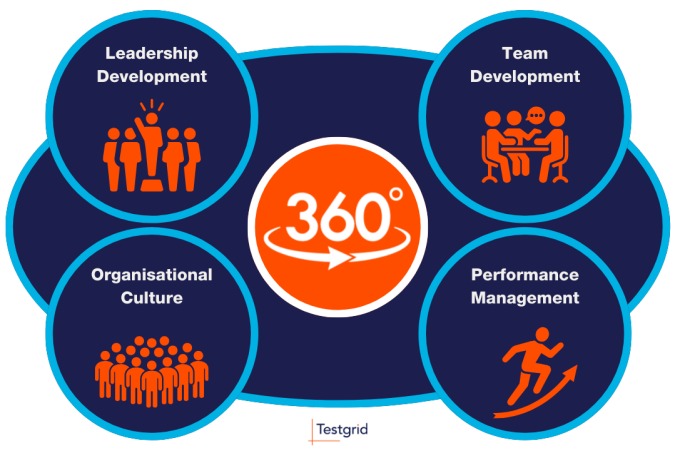
when and where to use 360 assessments

Leadership Development

One of the primary use cases for 360 assessments is in leadership development initiatives. These assessments enable organisations to assess leadership competencies, offer targeted feedback, and foster leadership potential and growth. By providing leaders with insights into their strengths and areas for improvement, 360 assessments contribute to the cultivation of effective leadership capabilities.

In leadership development, 360 assessments serve as powerful tools for self-awareness and personal improvement. By comparing self-perceptions with feedback from peers, supervisors, and direct reports, leaders gain valuable insights into their leadership style, communication effectiveness, and impact on others. This self-awareness forms the foundation for targeted development efforts aimed at enhancing leadership skills.

Performance Management

In the realm of performance management, 360 assessments play a pivotal role in enhancing traditional evaluation processes. By incorporating feedback from multiple stakeholders, including peers and direct reports, these assessments offer a more comprehensive understanding of an individual’s performance. This multi-rater feedback facilitates the identification of strengths and development opportunities, enabling organisations to tailor development plans to individual needs.

Performance management is not just about evaluating past performance; it’s also about setting expectations, providing feedback, and empowering individuals to perform at their best going forward. 360 assessments provide a mechanism for ongoing feedback and development, enabling individuals to track their progress over time and adjust their behaviour and attitude accordingly.

Team Development

Another area where 360 assessments prove invaluable is in team development. By assessing team dynamics and interpersonal relationships, these assessments provide insights into collaboration and communication within teams. By identifying pressure points and highlights in team dynamics, 360 tools can foster a more cohesive and productive team that understands the communication and work styles of each individual.

Dysfunctional dynamics with poor communication, a lack of trust, and interpersonal conflicts can hinder team effectiveness and derail overall productivity. 360 assessments help teams identify and address these issues by providing feedback on individual communication styles, conflict resolution strategies, and output expectations. By fostering open dialogue and addressing underlying issues, teams can learn to create a more collaborative environment that will help boost morale.

Organisational Culture

A lesser known but no less valuable application for 360 assessments revolves around assessing individual resonance with organisational culture, measuring alignment with values and desired behaviours. By establishing a strong understanding of desired workplace culture, a 360 assessment enables organisations to identify employees, and potential hires, that will ‘fit’ with their cultural expectations and foster a more positive, productive, and collaborative environment.

A well-defined organisational culture shapes employee attitudes, behaviours, and performance. A strong, positive culture that aligns with the organisation’s values and goals heavily improves overall productivity and significantly boosts retention. 360 assessments help organisations assess the current state of their culture by gathering feedback from employees at all levels. By identifying gaps between desired and actual behaviours, organisations can implement targeted interventions to better align their culture with its intended goals, creating a more attractive and reciprocal environment.

WHEN SHOULD YOU USE 360 ASSESSMENTS?

The efficacy of 360 assessments hinges on a nuanced understanding of when they are appropriate and when they are not. Firstly, organisations must carefully consider the timing and context of assessment deployment. Conducting assessments during periods of stability, where organisational structures and objectives are clear, enhances their impact. Conversely, deploying assessments during times of upheaval, such as restructuring or significant operational changes, may yield unreliable results and undermine trust in the process.

Additionally, fostering a culture of transparency, trust, and accountability is essential to eliciting honest and constructive feedback from participants. If an organisation lacks such a culture, 360 assessments may be met with skepticism or reluctance to provide candid feedback, thereby diminishing their effectiveness. It is imperative for organisations to cultivate an environment where feedback is valued, respected, and seen as a tool for growth rather than criticism.

To maximize the benefits of 360 assessments, organisations should adhere to best practices in implementation. This includes setting clear objectives, selecting the most appropriate assessment tool, and providing comprehensive support and training to participants and raters. Additionally, customising assessment content and processes to align with organisational culture and values enhances their effectiveness and acceptance. For more information on 360 tool best practices for effective results, check out our blog here.

CONCLUSION

Successful implementation of 360 assessments requires careful planning and preparation. Organisations should clearly define the objectives of the assessment, establish criteria for success, and communicate expectations to participants and raters. With a strong understanding of WHERE and WHEN these assessments are best utilised, as well as a clear understanding of the environments that impact its effectiveness, you can ensure your organisation can truly see its transformative effectiveness.

Selecting the right assessment tool is crucial, as no one approach will be effective for every organisation. If you’re interested in learning more about what 360 tool is right for your unique needs, get in touch with our team today to craft a fully customised tool made for your organisation.

BUILD YOUR OWN CUSTOM 360°

The Testgrid 360° is a customisable assessment for evaluating employee performance that can be designed to be bespoke to your organisation or specific roles.

The assessment can be built to gather feedback from stakeholders around an individual employee or leader, including peers, supervisors, and direct reports to provide you with an all-round view of your team.

The Testgrid 360° allows you to customise questions and reporting to align with your Organisational or Leadership competency frameworks.

Learn more about our 360° here or fill out the form below to learn more.

Get in Touch


Cultivating Emotional Intelligence with 360 Assessments

In the fast-paced landscape of today’s workplaces, success isn’t just about technical skills or qualifications. It’s about how well individuals navigate relationships, communicate with others, and manage their emotions. This is where emotional intelligence and 360 assessments come into play. E.I is defined as the ability to recognise, understand, and manage both our own emotions and those of others. Emerging as a critical factor in determining individual and organisational success, tools to help cultivate E.I in your workplace should be at the forefront of your interest.

With this year’s trends of fostering a stronger E.V.P and boosting employee retention, organisations are actively seeking tools that can accurately assess and cultivate EI among not only new hires, but also their current employees. One such tool gaining popularity in organisations worldwide is the 360 assessment. Join us as we delve into why your organisation should consider leveraging 360 assessments for cultivating improved emotional intelligence among your employees and how this can benefit both the individual and your organisation as a whole.

UNDERSTANDING EMOTIONAL INTELLIGENCE

Before we dive into the role of 360 assessments, let’s first grasp the details of what makes someone emotionally intelligent. At its core, E.I encompasses a range of competencies, including self-awareness, self-regulation, empathy, and social skills. It’s about more than just “being nice”; it’s about understanding ourselves and others on a deeper level, and using that understanding to navigate social interactions effectively.

In many modern-day working environments, where collaboration and teamwork are paramount, individuals with high emotional intelligence are often better equipped to handle the complexities of interpersonal relationships. They’re better communicators, more empathetic listeners, and more adept at resolving conflicts. Organisations that see that value in prioritising the cultivation of E.I are able to foster more positive working environments by improving leadership effectiveness, communication channels and overall organisational culture.

THE ROLE OF 360 ASSESSMENTS IN E.I DEVELOPMENT

In our recent blog, we outlined the specifics of what makes a 360-assessment and how this tool is used for performance and development. Unlike traditional performance reviews conducted by managers, 360 assessments gather feedback from multiple sources, including peers, direct reports, supervisors, and even self-assessment. This comprehensive feedback mechanism is designed to provide a panoramic view of an individual’s strengths and areas for improvement, offering valuable insight for both the individual and those working alongside them.

By soliciting feedback from various perspectives, 360 assessments offer insights that individuals might not gain through self-reflection alone. They shine a light on areas an individual may be unaware of, revealing patterns in behaviour and communication that can hinder professional growth. Moreover, they promote a culture of feedback and continuous improvement, where employees feel empowered to seek out constructive criticism and take actionable steps towards self-improvement.

BENEFITS OF USING 360 ASSESSMENTS FOR E.I DEVELOPMENT

The benefits of using 360 assessments for E.I development are manifold. Firstly, they shine light on the cornerstone of emotional intelligence – self-awareness. By comparing self-perceptions with feedback from others, individuals gain a clearer understanding of their strengths and weaknesses, allowing them to focus their efforts on areas that warrant improvement.

Secondly, 360 assessments identify blind spots—those aspects of behaviour or communication that individuals may not be aware of but that impact their relationships and performance. These assessments can provide insight for individuals to learn to take proactive steps to address these blind spots, ultimately becoming more effective communicators and collaborators.

Lastly, 360 assessments foster a culture of feedback and continuous improvement within organisations. By encouraging open dialogue and constructive criticism, they create an environment where employees feel valued and supported in their professional development journey.

WHY ORGANISATIONS SHOULD CONSIDER USING 360 ASSESSMENTS FOR E.I DEVELOPMENT

Interestingly, the benefits of using 360 assessments for E.I development extend beyond individual growth to organisational success. Consider the following:

Improved Leadership Effectiveness: Leaders with high emotional intelligence are better equipped to inspire and motivate their teams, leading to increased productivity and employee engagement. By assessing and developing the E.I of leaders through 360 assessments, organisations can cultivate a leadership culture that fosters collaboration, innovation, and growth.

Strengthened Interpersonal Relationships: In today’s interconnected world, strong interpersonal relationships are essential for effective teamwork and collaboration. Individuals with high emotional intelligence tend to have better interpersonal skills, leading to smoother communication, reduced conflicts, and stronger relationships among team members.

Enhanced Organisational Culture: A culture of emotional intelligence is one where employees feel valued, respected, and empowered to bring their whole selves to work. By prioritising E.I development through the use of 360 assessments, organisations can create a workplace culture that promotes employee satisfaction and retention, and even enhances the ability to attract top talent through a boosted E.V.P.

EXAMPLES OF APPLICABLE 360 ASSESSMENTS FOR E.I DEVELOPMENT

At Testgrid, we have a variety of 360 assessments tailored to suit your organisations needs, including a 360-tool focused more on emotional intelligence. Here or some examples.

The Testgrid 360: Our highly customisable 360 assessment tool, constructed using a variety of off-the-shelf tools, or a collection of assessments catered to suit your specific needs.

This tool is suitable for individual assessment, as well as a focus on team-based assessments. Allowing you to identify key strengths and areas for improvement, leadership potential, insight into individual needs and potential for development and even information on how to manage times of high stress. For a well-rounded and tailored approach, get in touch with our team!

Testgrid 360 Assessment Emotional Intelligence

The Genos 360: If you’re interested in an assessment more focused on emotional intelligence specifically, look no further than the Genos EI 360. Tailored specifically for measuring emotional intelligence by evaluating emotionally intelligent behaviours against benchmarks. It offers raw, benchmarked, and ‘gap’ scores for six core E.I competencies and behaviours.

Unique features include the ability for raters to provide detailed free-text comments for each competency assessed and customisable rater categories. The questionnaire also gathers feedback on the importance of each competency for the particular role or organisation, enhancing relevance and applicability. If this sounds like the tool for you, reach out to one of our experts!

Genos 360 Assessment Emotional Intelligence

CONCLUSION

In conclusion, emotional intelligence is a critical factor in determining individual and organisational success in today’s workplace. By leveraging 360 assessments as a tool for assessing and developing E.I, organisations can enhance self-awareness, identify blind spots, and foster a culture of feedback and continuous improvement. Ultimately, investing in the E.I development of employees through initiatives such as 360 assessments isn’t just beneficial—it’s essential for creating thriving, resilient, and high-performing organisations in the long run.

If you want to get started implementing these high value assessments into your organisation, get in touch with our team learn more!

How to improve candidate selection and avoid overwhelming HR teams?

Finding the right talent efficiently is crucial for the success of any organisation. However, the traditional methods of candidate selection often lead to overwhelming HR teams, causing delays and inefficiencies in the hiring process. Fortunately, there are innovative solutions available that can streamline candidate selection while ensuring the quality and validity of hires. In this blog, we’ll explore how organisations can leverage psychometric assessments and video interviewing to enhance their candidate selection process, alleviate HR burdens, and make more informed hiring decisions.

THE CHALLENGE OF TRADITIONAL CANDIDATE SELECTION

Traditional candidate selection processes often involve manual screening of resumes, conducting multiple rounds of interviews, and relying on subjective judgments to evaluate candidates. This approach not only consumes a significant amount of time and resources but also introduces biases that can impact the quality of hires. Moreover, with the increasing volume of job applications received by organiSations, HR teams are often overwhelmed with the task of identifying the most suitable candidates.

LEVERAGING PSYCHOMETRIC ASSESSMENTS FOR INFORMED DECISION MAKING

Psychometric assessments offer a data-driven approach to candidate selection, providing valuable insights into candidates’ cognitive abilities, personality traits, and work-related preferences. By incorporating psychometric assessments into the hiring process, organisations can objectively evaluate candidates’ suitability for a role, identify their strengths and development areas, and make more informed hiring decisions.

One of the key advantages of psychometric assessments is their ability to predict job performance and cultural fit, thereby increasing the likelihood of hiring candidates who are well-aligned with the organisation’s objectives and values. These assessments can also help HR teams identify high-potential candidates who may have been overlooked through traditional screening methods, thus widening the talent pool and enhancing diversity in the workforce.

ENHANCING EFFICIENCY WITH VIDEO INTERVIEWING

Video interviewing has emerged as a powerful tool for streamlining the candidate selection process and reducing the time-to-hire. Unlike traditional face-to-face interviews, video interviews allow organisations to conduct initial screenings remotely, enabling HR teams to assess candidates’ communication skills, professionalism, and cultural fit more efficiently.

By leveraging video interviewing platforms, organisations can schedule interviews at their convenience, eliminate scheduling conflicts, and reach candidates from diverse geographical locations. Moreover, video interviews can be recorded and shared with relevant stakeholders, facilitating collaborative decision-making and ensuring consistency in the evaluation process.

candidate selection strategy

IMPLEMENTING A COMPREHENSIVE SELECTION STRATEGY

To maximise the effectiveness of candidate selection and avoid overwhelming HR teams, organisations should adopt a comprehensive selection strategy that integrates psychometric assessments and video interviewing seamlessly into the hiring process. Here are some key steps to consider:

  1. Define Job Requirements: Clearly outline the job requirements, competencies, and behavioural traits necessary for success in the role.
  2. Select Relevant Assessments: Choose psychometric assessments that align with the job requirements and organisational culture. Ensure that the assessments are valid, reliable, and free from bias.
  3. Design Customised Assessments: Tailor assessments to assess specific skills and competencies required for the role. Consider using situational judgment tests, cognitive ability tests, and personality assessments to gather comprehensive data on candidates.
  4. Integrate Video Interviewing: Incorporate video interviewing into the selection process to conduct initial screenings and assess candidates’ communication skills and cultural fit.
  5. Evaluate Results Objectively: Use data from psychometric assessments and video interviews to evaluate candidates objectively and identify top performers. Consider combining quantitative assessment scores with qualitative feedback from interviews to make well-rounded hiring decisions.
  6. Provide Feedback: Offer constructive feedback to candidates based on their assessment results and interview performance. Ensure transparency throughout the selection process and maintain open communication with candidates.

Incorporating psychometric assessments and video interviewing into the candidate selection process can significantly improve the efficiency and effectiveness of hiring while alleviating the burden on HR teams. By adopting a data-driven approach to candidate selection, organisations can make more informed hiring decisions, enhance the quality of hires, and ultimately drive business success. As the recruitment landscape continues to evolve, leveraging innovative selection strategies will be essential for organisations to remain competitive and attract top talent in today’s dynamic marketplace.

GET IN TOUCH

If you want to talk to one of our experts about how you could improve your candidate selection to benefit your workforce and assist your HR and recruitment teams, get in touch with our team here, or call 03 9040 1700 to learn more.

360 Degree Feedback: Best Practices to Ensure Impact

It’s not secret that fostering continuous growth and development among employees is paramount for organisational success. One powerful tool that has gained significant traction in the realm of performance evaluation and development is the 360-degree feedback process. By providing comprehensive feedback from multiple perspectives, this approach offers invaluable insights into an individual’s strengths, areas for improvement, and overall effectiveness in their role. In this blog, we’ll delve into the best practices for implementing 360-degree feedback effectively, leveraging the potential of this powerful assessment tool to drive impactful development and growth.

360 assessment tool

UNDERSTANDING THE 360-DEGREE FEEDBACK PROCESS

At its core, a 360 tool is an assessment mechanism that collects detailed feedback on an employee from various sources who interact with them in a professional capacity. Unlike traditional review systems that typically rely on a single evaluator, the 360 tool encompasses a wide array of perspectives, offering insights into aspects of performance that might otherwise go unnoticed. This multifaceted feedback mechanism is designed to assess a range of competencies including communication skills, teamwork, leadership qualities, and problem-solving abilities, among others.

Before delving into best practices, it’s essential to grasp the fundamentals of the 360-degree feedback process. Unlike traditional performance appraisals, which typically involve feedback from a single source (e.g., a direct supervisor), 360-degree feedback solicits input from various stakeholders, including peers, subordinates, managers, and even external partners or customers. This holistic approach offers a comprehensive view of an individual’s performance, behaviours, and impact within the organisation.

BEST PRACTICES FOR IMPLEMENTING 360-DEGREE FEEDBACK

  1. Set Clear Objectives: Begin by defining clear objectives for the 360-degree feedback process. Determine the specific outcomes you aim to achieve, whether it’s identifying areas for development, enhancing leadership effectiveness, or fostering a culture of continuous improvement.
  2. Select the Right Tool: Choose a reliable and user-friendly 360 assessment tool that aligns with your organisational goals and requirements. Ensure that the tool provides customisable surveys, robust reporting capabilities, and intuitive feedback mechanisms to facilitate the process seamlessly.The Testgrid 360° is a customisable assessment for evaluating employee performance that can be designed to be bespoke to your organisation or specific roles. It is in fact the only 360° assessment available that’s customisable to align to your Organisational or Leadership competency frameworks.
  3. Establish Trust and Confidentiality: Promote an environment of trust and confidentiality to encourage honest and candid feedback from participants. Assure employees that their responses will remain anonymous, fostering open communication and transparency.
  4. Provide Comprehensive Training: Offer comprehensive training and guidance to participants to ensure they understand the purpose, process, and expectations of the 360-degree feedback. Educate them on the importance of constructive feedback and the value it brings to their professional development.
  5. Select Appropriate Raters: Carefully select raters who have sufficient exposure and firsthand experience working with the individual being evaluated. Strive for a diverse mix of raters representing different perspectives and roles within the organisation.
  6. Focus on Development, Not Evaluation: Position 360-degree feedback as a tool for development rather than evaluation. Emphasise its role in fostering self-awareness, identifying strengths, and uncovering areas for growth, rather than critiquing performance.
  7. Encourage Dialogue and Action Planning: Foster open dialogue between participants and their feedback providers to discuss the feedback received, clarify perceptions, and collaboratively develop action plans for improvement. Encourage individuals to take ownership of their development journey and set SMART (Specific, Measurable, Achievable, Relevant, Time-bound) goals.
  8. Follow Up and Accountability: Implement a structured follow-up process to monitor progress, provide ongoing support, and hold individuals accountable for their development commitments. Regular check-ins, coaching sessions, and milestone assessments can help track progress and ensure accountability.

LEVERAGING THE POWER OF 360 DEGREE FEEDBACK

Adopting a 360 tool within an organisation requires thoughtful planning and communication to ensure its success. The first step involves identifying the specific objectives and outcomes desired from the implementation of the tool. Whether the goal is to strengthen leadership skills, improve team cohesion, or enhance communication across departments, having clear objectives will guide the selection of the most suitable 360 tool.

When executed effectively, 360-degree feedback can be a powerful catalyst for individual and organisational growth. By leveraging best practices and adopting a strategic approach, organiSations can unlock the full potential of this valuable assessment tool, driving meaningful insights, fostering a culture of continuous improvement, and empowering employees to thrive.

In conclusion, 360-degree feedback offers a multifaceted approach to performance evaluation and development, providing valuable insights from multiple perspectives. By adhering to best practices and leveraging the right tools, organisations can harness the power of 360-degree feedback to drive impactful growth and development initiatives, ultimately enhancing employee engagement, performance, and organisational success.

GET IN TOUCH

If you want to talk to one of our experts about how the 360 tool could benefit your workforce, get in touch with our team here, or call 03 9040 1700 to learn more.

Testgrid's Ongoing Commitment to HR Innovation

In a move that sets new standards in HR technology, Testgrid is proud to announce the launch of Match 6.5, a cutting-edge assessment tool developed by Saville. Engineered for high-volume recruitment environments, Match 6.5 is a testament to to innovation, offering unparalleled predictive validity and a candidate-friendly format. This blog explores the scientific backbone of Match 6.5, its unique features, and provides insights into how it seamlessly integrates into HR workflows, underscoring Testgrid’s commitment to advancing HR technology.

match 6.5 assessment

THE FOUNDATION OF MATCH 6.5: SCIENTIFIC RIGOR AND PREDICTIVE VALIDITY

Match 6.5 is not just another assessment tool; it’s a product of rigorous scientific research and validation. Originating from Saville renowned Wave methodology, Match 6.5 incorporates the comprehensive evaluation framework of the 12 sections of the Wave, yet delivers it in a concise format that respects the candidate’s time and experience. The tool boasts strong predictive validity, ensuring that HR professionals can confidently rely on its insights to make informed hiring decisions.

match 6.5

DESIGNED FOR HIGH VOLUME RECRUITMENT

Understanding the unique challenges of high-volume recruitment,  the Match 6.5 has been meticulously crafter to streamline the selection process without compromising on accuracy. The assessment takes approximately 6.5 minutes to complete, striking the perfect balance between thoroughness and efficiency. This swift yet comprehensive evaluation process ensures a frictionless experience for candidates, while providing recruiters with deep insights into each applicant’s suitability for the role.

Match 6.5 stands out for its exceptional customisation capabilities. Testgrid works closely with organisations to tailor the assessment, mapping desired behaviours and attributes against a specific position description. This bespoke approach guarantees that the assessment is perfectly aligned with the organisation’s unique needs and goals, enabling a more targeted and effective recruitment strategy.

Recognising the ubiquity of mobile technology in today’s world, Match 6.5 is fully mobile-enabled, offering candidates the flexibility to complete the assessment anytime, anywhere. This mobile-friendly design not only enhances the candidate experience but also widens the talent pool, ensuring that no potential candidate is left behind due to technological constraints.

INTEGRATING MATCH 6.5 INTO HR WORKFLOWS

Incorporating Match 6.5 into existing HR workflows is straightforward, thanks to its intuitive design and Testgrid’s comprehensive support. Here are a few tips for a seamless integration:

  1. Identify High-Volume Recruitment Needs: Match 6.5 excels in scenarios where the volume of applicants is high, making it ideal for roles with a large candidate pool.
  2. Customise to Fit the Role: Leverage Testgrid’s expertise to customise the assessment, ensuring it accurately reflects the competencies and qualities required for success in the role.
  3. Embrace Mobile Accessibility: Promote the mobile-enabled nature of the assessment to encourage broader participation and attract tech-savvy candidates.
  4. Train Your Team: Equip your HR team with the knowledge to interpret Match 6.5 results effectively, maximising the tool’s impact on your recruitment strategy.

The introduction of Match 6.5 by Testgrid marks a significant milestone in the evolution of HR technology. By blending scientific validity with practical, candidate-friendly features, Testgrid continues to lead the charge in transforming the recruitment landscape. Match 6.5 exemplifies our unwavering commitment to providing innovative solutions that address the real-world challenges faced by HR professionals today.

In conclusion, Match 6.5 is set to redefine high-volume recruitment, offering an efficient, reliable, and customisable assessment solution. Organisations can now enjoy a streamlined recruitment process that doesn’t just save time but also elevates the quality of their hires, aligning with the strategic goals of the modern workforce.

GET IN TOUCH

If you want to talk to one of our experts about incorporating the Match 6.5 into the recruitment process in your organisation, get in touch with our team here, or call 03 9040 1700 to learn more.

360 Tool For Performance

Performance management is a critical pillar that supports organisational growth and employee development. Traditional methods of evaluating employee performance often fall short of capturing the full spectrum of an individual’s contributions and areas for improvement. This is where the innovative approach of 360 assessments comes into play, offering a more nuanced and comprehensive evaluation tool. The 360 tool, a cornerstone in the realm of performance feedback, empowers organisations to harness the power of multi-rater feedback. By involving a broad range of evaluators—from supervisors and peers to direct reports and in some cases even customers—this tool provides a rounded perspective on an individual’s performance.

360 feedback tool

WHAT IS A 360 TOOL?

At its core, a 360 tool is an assessment mechanism that collects detailed feedback on an employee from various sources who interact with them in a professional capacity. Unlike traditional review systems that typically rely on a single evaluator, the 360 tool encompasses a wide array of perspectives, offering insights into aspects of performance that might otherwise go unnoticed. This multifaceted feedback mechanism is designed to assess a range of competencies including communication skills, teamwork, leadership qualities, and problem-solving abilities, among others.

The strength of the 360 tool lies in its ability to provide employees with a balanced view of their performance, encapsulating both their strengths and areas requiring development. For managers, it serves as an invaluable resource for guiding coaching conversations, designing personalised development programs, and making informed decisions about promotions and other career advancements. The inclusive nature of this tool not only enhances the accuracy of performance assessments but also promotes a culture of trust and mutual respect within the organisation. By valuing the input of all team members, the 360 tool democratises the feedback process and encourages a more engaged and motivated workforce.

HOW THE 360 TOOLS ENHANCE PERFORMANCE MANAGEMENT

The integration of 360 tools into performance management strategies marks a significant shift from traditional evaluative methods towards a more holistic and interactive approach. This evolution reflects a growing recognition of the complexity of workplace dynamics and the diverse skills required in today’s competitive business environment. By leveraging the collective insights of an employee’s colleagues, managers, and subordinates, 360 tools facilitate a deeper understanding of an individual’s impact within the team and the organisation at large.

One of the key advantages of 360 tools is their ability to illuminate soft skills and interpersonal dynamics that are crucial for effective teamwork and leadership. Feedback gathered through these tools often highlights how an employee’s behavior and communication style influence their interactions and collaborations with others. This insight is particularly valuable in identifying hidden talents or potential areas for leadership development.

Moreover, the feedback process associated with 360 tools encourages a culture of continuous learning and adaptability. Employees become more receptive to constructive criticism, viewing it as an opportunity for professional growth rather than a punitive measure. This shift in mindset is instrumental in fostering resilience and a proactive approach to personal development.

The implementation of 360 tools also offers strategic advantages to organisations. By obtaining a comprehensive view of an employee’s strengths and weaknesses, leaders can make more informed decisions about team compositions, project assignments, and succession planning. This strategic alignment of individual capabilities with organisational needs not only enhances operational efficiency but also contributes to achieving long-term business goals.

IMPLEMENTING A 360 TOOL IN YOUR ORGANISATION

Adopting a 360 tool within an organisation requires thoughtful planning and communication to ensure its success. The first step involves identifying the specific objectives and outcomes desired from the implementation of the tool. Whether the goal is to strengthen leadership skills, improve team cohesion, or enhance communication across departments, having clear objectives will guide the selection of the most suitable 360 tool.

It is also crucial to involve stakeholders from various levels of the organisation in the selection process. This inclusive approach ensures that the chosen tool meets the diverse needs and expectations of all participants. Once a tool is selected, a comprehensive rollout plan should be developed, detailing the timeline, training sessions, and support mechanisms for users. Education and transparency are key to dispelling any concerns or misconceptions about the tool, fostering a positive attitude towards the feedback process.

Feedback collected through the 360 tool should be handled with care, emphasising confidentiality and constructive use. Providing participants with guidance on how to interpret and act upon the feedback is essential for facilitating personal and professional growth. Additionally, establishing a regular feedback cycle and integrating the insights gained from the 360 assessments into ongoing performance discussions can maximise the tool’s impact.

SUCCESS STORIES WITH 360 TOOLS

The efficacy of 360 tools is best illustrated through real-world examples. A case in which we worked with a multinational corporation that faced challenges with team cohesion and leadership effectiveness. By implementing a 360 assessment program, the company was able to identify key areas for development among its leaders, leading to targeted training initiatives. The program not only improved leadership skills but also had a ripple effect, enhancing team dynamics and overall organisational performance.

Another success story comes from a non-profit organisation seeking to empower its workforce and foster a culture of continuous improvement. The introduction of a 360 tool enabled employees at all levels to receive and provide feedback in a structured and anonymous manner. This approach democratised the feedback process, making it more accessible and actionable. As a result, the organization saw significant improvements in employee engagement, collaboration, and satisfaction rates.

These client stories underscore the versatility and impact of 360 tools across different sectors and organisational sizes. By providing a platform for comprehensive and constructive feedback, these tools play a pivotal role in driving personal development, enhancing team performance, and achieving strategic objectives.

the 360 tool represents a paradigm shift in performance management, offering a more nuanced, democratic, and effective approach to feedback and development. Its ability to gather diverse perspectives provides invaluable insights into an individual’s performance, highlighting both strengths and areas for improvement. For organisations looking to cultivate a culture of continuous learning and adaptability, implementing a 360 tool can be a game-changer.

GET IN TOUCH

If you want to talk to one of our experts about how the 360 tool could benefit your workforce, get in touch with our team here, or call 03 9040 1700 to learn more.