Reducing Time To Hire In 2023/24

44 days. That is the current average time to hire an employee, an all-time high, according to a report. Findings of the Global Talent Climate, released by the Josh Bersin Company and AMS, revealed that time-to-hire rates in the first quarter of 2023 alone had extended by a day across all industries

All too often, an extended hiring timeline can result in missed opportunities and escalating costs per hire. Savvy hiring managers are keenly aware of the risks associated with drawn-out hiring processes, especially when top-tier talent is on the line.

As we begin to step out 2023 and look ahead to 2024, the competition for talent shows no signs of waning. This blog explores various strategies, including the use of psychometric assessments and video interviews, to expedite the hiring process while ensuring quality hires. Beyond these tools, we’ll delve into optimising sourcing channels, leveraging data, practicing targeted recruitment, and fostering internal growth.

Enhancing Talent Acquisition with Diverse Sourcing Channels

To gain a competitive edge in hiring, it’s essential to cast a wide net and tap into diverse sourcing channels. Many recruiters have their preferred approaches for sourcing candidates. A substantial 52% of respondents turn to their professional networks as their initial choice, while another 28% opt for LinkedIn first, as per Lever’s findings. However, today’s candidates may be more receptive to outreach efforts on unconventional platforms, and profiles on these sites could yield valuable, unique insights for personalised engagement.

For instance, exploring the potential of various social media platforms like Instagram, Facebook, and TikTok for sharing job openings and connecting with a broader audience can be highly effective. Additionally, leveraging online job boards such as Indeed and Glassdoor can significantly expand your candidate pool. The key lies in gaining a deeper understanding of your target applicants, allowing you to anticipate their online presence.

candidate sourcing

REDUCING TIME TO HIRE WITH PSYCHOMETRIC ASSESSMENTS

Psychometric assessments are a powerful tool in modern recruitment. They provide a structured and scientific way to evaluate various aspects of a candidate’s suitability for a role.

  1. In-Depth Candidate Evaluation: Psychometric assessments delve deep into a candidate’s cognitive abilities, personality traits, and skills. These assessments are carefully designed to assess attributes that are often difficult to gauge through traditional interviews and resumes alone.
  2. Objective and Consistent Data: The beauty of psychometric assessments lies in their objectivity. They provide standardised questions and scoring mechanisms, ensuring that every candidate is evaluated under the same conditions. This eliminates biases and subjectivity that can creep into traditional hiring processes.
  3. Efficiency in Decision-Making: With the time-to-hire metric continuously creeping up, hiring managers need to make quick decisions. Psychometric assessments expedite this process by providing a wealth of data in a relatively short time. This allows hiring managers to identify the most promising candidates promptly, reducing the time-to-hire significantly.
  4. Enhanced Predictive Validity: Research has consistently shown that psychometric assessments are strong predictors of job performance. By analysing a candidate’s cognitive abilities, personality traits, and skills, employers can make more informed decisions about their potential success in a given role. This increased predictive validity means fewer bad hires and, subsequently, reduced turnover rates.
Reducing Time To Hire With Psychometric Assessments

UTILISING DATA, A NECESSITY

Harnessing data is a game-changer in the pursuit of reducing time to hire. Leveraging data to inform and enhance the hiring process allows organisations to achieve a twofold benefit: speeding up the time required to fill job openings and elevating the caliber of candidate acquisition and assessment.

The analysis of critical performance metrics not only expedites the hiring process but also uncovers trends and insights in applicant qualifications and backgrounds. Additionally, vigilantly monitoring hiring trends to adapt recruitment strategies in response to evolving job market dynamics can significantly contribute to the reduction of time to hire.

FOCUS ON BUILDING A TALENT PIPELINE

Developing a robust talent pipeline offers a practical solution to minimise wait times and ultimately accelerate the hiring process. A well-structured talent pipeline not only alleviates the hassles associated with job advertising, candidate sourcing, and extensive background checks but also amplifies your employer brand, facilitates future talent planning, and attracts candidates genuinely interested in joining your organisation.

Cultivating relationships with potential candidates enables the creation of an enduring talent pool that can be tapped into as job opportunities arise. With an efficient pipeline in place, you can consistently engage and retain top-tier talent who resonate with your company’s culture and values.

STREAMLINING WITH VIDEO INTERVIEWING

Video interviews have evolved into an indispensable tool for modern recruitment processes, primarily due to their ability to effectively assess candidates’ communication skills and personalities remotely. This transformation has substantially reduced the necessity for time-consuming and often logistically challenging in-person meetings.

  1. Communication Skills Assessment: Video interviews provide a dynamic platform for evaluating candidates’ communication abilities. Recruiters can gauge a candidate’s verbal articulation, clarity, and their ability to express ideas concisely. This is particularly crucial for roles that require effective verbal communication, such as sales, customer service, or leadership positions.
  2. Remote Accessibility: Video interviews break down geographical barriers, enabling organisations to access talent pools from different regions or even across the globe. It not only widens the candidate pool but also expedites the hiring process by eliminating the need for candidates to travel for interviews.
  3. Time Efficiency: Traditional in-person interviews can be time-consuming for both candidates and employers. Video interviews offer a more time-efficient alternative. Scheduling is flexible, and interviews can be recorded and reviewed at the recruiter’s convenience. This can significantly reduce the time-to-hire, especially when multiple rounds of interviews are necessary.
  4. Enhanced Candidate Experience: Candidates appreciate the convenience of video interviews, which can contribute to a positive candidate experience. Applicants often prefer the flexibility of recording their responses at a time that suits them, reducing interview-related stress.
Reducing Time To Hire With Video Interviewing

CULTIVATING GROWTH FROM WITHIN

Employee referral systems are powerful tools that not only tap into an organisation’s existing employee networks but also serve as accelerators for the recruitment process, effectively reducing the time it takes to hire top talent.

One of the most influential strategies within an employee referral program designed to attract highly qualified candidates is the provision of referral bonuses. These incentives, which can take the form of cash rewards, motivate employees to actively refer potential candidates from their professional circles. Additionally, offering competitive salary packages and comprehensive benefits is instrumental in swiftly attracting exceptional talent. This not only aids in attracting candidates promptly but also significantly trims down the hiring timeline for filling critical positions.

Reducing time to hire remains a top priority as we navigate the challenges of next year’s competitive talent landscape. Success lies in a holistic approach. Optimising sourcing channels, utilising assessments and interviewing technology, leveraging data, building a talent pipeline, and nurturing internal growth are all essential strategies for organisations striving to streamline their hiring processes. As we move forward, these multifaceted approaches will empower businesses to secure top talent efficiently and effectively in the years to come.

GET IN TOUCH

If you want to talk to one of our experts about streamlining the recruitment process in your organisation, get in touch with our team here, or call 03 9040 1700 to learn more.
Reducing Time To Hire In 2023/24

44 days. That is the current average time to hire an employee, an all-time high, according to a report. Findings of the Global Talent Climate, released by the Josh Bersin Company and AMS, revealed that time-to-hire rates in the first quarter of 2023 alone had extended by a day across all industries

All too often, an extended hiring timeline can result in missed opportunities and escalating costs per hire. Savvy hiring managers are keenly aware of the risks associated with drawn-out hiring processes, especially when top-tier talent is on the line.

As we begin to step out 2023 and look ahead to 2024, the competition for talent shows no signs of waning. This blog explores various strategies, including the use of psychometric assessments and video interviews, to expedite the hiring process while ensuring quality hires. Beyond these tools, we’ll delve into optimising sourcing channels, leveraging data, practicing targeted recruitment, and fostering internal growth.

Enhancing Talent Acquisition with Diverse Sourcing Channels

To gain a competitive edge in hiring, it’s essential to cast a wide net and tap into diverse sourcing channels. Many recruiters have their preferred approaches for sourcing candidates. A substantial 52% of respondents turn to their professional networks as their initial choice, while another 28% opt for LinkedIn first, as per Lever’s findings. However, today’s candidates may be more receptive to outreach efforts on unconventional platforms, and profiles on these sites could yield valuable, unique insights for personalised engagement.

For instance, exploring the potential of various social media platforms like Instagram, Facebook, and TikTok for sharing job openings and connecting with a broader audience can be highly effective. Additionally, leveraging online job boards such as Indeed and Glassdoor can significantly expand your candidate pool. The key lies in gaining a deeper understanding of your target applicants, allowing you to anticipate their online presence.

candidate sourcing

REDUCING TIME TO HIRE WITH PSYCHOMETRIC ASSESSMENTS

Psychometric assessments are a powerful tool in modern recruitment. They provide a structured and scientific way to evaluate various aspects of a candidate’s suitability for a role.

  1. In-Depth Candidate Evaluation: Psychometric assessments delve deep into a candidate’s cognitive abilities, personality traits, and skills. These assessments are carefully designed to assess attributes that are often difficult to gauge through traditional interviews and resumes alone.
  2. Objective and Consistent Data: The beauty of psychometric assessments lies in their objectivity. They provide standardised questions and scoring mechanisms, ensuring that every candidate is evaluated under the same conditions. This eliminates biases and subjectivity that can creep into traditional hiring processes.
  3. Efficiency in Decision-Making: With the time-to-hire metric continuously creeping up, hiring managers need to make quick decisions. Psychometric assessments expedite this process by providing a wealth of data in a relatively short time. This allows hiring managers to identify the most promising candidates promptly, reducing the time-to-hire significantly.
  4. Enhanced Predictive Validity: Research has consistently shown that psychometric assessments are strong predictors of job performance. By analysing a candidate’s cognitive abilities, personality traits, and skills, employers can make more informed decisions about their potential success in a given role. This increased predictive validity means fewer bad hires and, subsequently, reduced turnover rates.
Reducing Time To Hire With Psychometric Assessments

UTILISING DATA, A NECESSITY

Harnessing data is a game-changer in the pursuit of reducing time to hire. Leveraging data to inform and enhance the hiring process allows organisations to achieve a twofold benefit: speeding up the time required to fill job openings and elevating the caliber of candidate acquisition and assessment.

The analysis of critical performance metrics not only expedites the hiring process but also uncovers trends and insights in applicant qualifications and backgrounds. Additionally, vigilantly monitoring hiring trends to adapt recruitment strategies in response to evolving job market dynamics can significantly contribute to the reduction of time to hire.

FOCUS ON BUILDING A TALENT PIPELINE

Developing a robust talent pipeline offers a practical solution to minimise wait times and ultimately accelerate the hiring process. A well-structured talent pipeline not only alleviates the hassles associated with job advertising, candidate sourcing, and extensive background checks but also amplifies your employer brand, facilitates future talent planning, and attracts candidates genuinely interested in joining your organisation.

Cultivating relationships with potential candidates enables the creation of an enduring talent pool that can be tapped into as job opportunities arise. With an efficient pipeline in place, you can consistently engage and retain top-tier talent who resonate with your company’s culture and values.

STREAMLINING WITH VIDEO INTERVIEWING

Video interviews have evolved into an indispensable tool for modern recruitment processes, primarily due to their ability to effectively assess candidates’ communication skills and personalities remotely. This transformation has substantially reduced the necessity for time-consuming and often logistically challenging in-person meetings.

  1. Communication Skills Assessment: Video interviews provide a dynamic platform for evaluating candidates’ communication abilities. Recruiters can gauge a candidate’s verbal articulation, clarity, and their ability to express ideas concisely. This is particularly crucial for roles that require effective verbal communication, such as sales, customer service, or leadership positions.
  2. Remote Accessibility: Video interviews break down geographical barriers, enabling organisations to access talent pools from different regions or even across the globe. It not only widens the candidate pool but also expedites the hiring process by eliminating the need for candidates to travel for interviews.
  3. Time Efficiency: Traditional in-person interviews can be time-consuming for both candidates and employers. Video interviews offer a more time-efficient alternative. Scheduling is flexible, and interviews can be recorded and reviewed at the recruiter’s convenience. This can significantly reduce the time-to-hire, especially when multiple rounds of interviews are necessary.
  4. Enhanced Candidate Experience: Candidates appreciate the convenience of video interviews, which can contribute to a positive candidate experience. Applicants often prefer the flexibility of recording their responses at a time that suits them, reducing interview-related stress.
Reducing Time To Hire With Video Interviewing

CULTIVATING GROWTH FROM WITHIN

Employee referral systems are powerful tools that not only tap into an organisation’s existing employee networks but also serve as accelerators for the recruitment process, effectively reducing the time it takes to hire top talent.

One of the most influential strategies within an employee referral program designed to attract highly qualified candidates is the provision of referral bonuses. These incentives, which can take the form of cash rewards, motivate employees to actively refer potential candidates from their professional circles. Additionally, offering competitive salary packages and comprehensive benefits is instrumental in swiftly attracting exceptional talent. This not only aids in attracting candidates promptly but also significantly trims down the hiring timeline for filling critical positions.

Reducing time to hire remains a top priority as we navigate the challenges of next year’s competitive talent landscape. Success lies in a holistic approach. Optimising sourcing channels, utilising assessments and interviewing technology, leveraging data, building a talent pipeline, and nurturing internal growth are all essential strategies for organisations striving to streamline their hiring processes. As we move forward, these multifaceted approaches will empower businesses to secure top talent efficiently and effectively in the years to come.

GET IN TOUCH

If you want to talk to one of our experts about streamlining the recruitment process in your organisation, get in touch with our team here, or call 03 9040 1700 to learn more.
Unlocking Potential Through Leadership Style Testing

It’s no secret that strong leadership is the cornerstone of organisational success. Leaders are like the guiding stars, illuminating the path towards achieving goals and empowering their teams. But here’s the catch: leaders come in all shapes and sizes, each with their own unique style. Recognising and embracing these differences is vital to fostering collaboration, building robust teams, and unlocking new levels of achievement. And that’s where leadership style testing steps in, lending a helping hand on the journey to effective leadership.

Imagine an orchestra where every instrument plays a different tune but harmonises perfectly together. In a similar vein, organisations thrive when leaders understand and embrace their distinct styles. Leadership style testing acts as a compass, highlighting the individual strengths and areas for growth in leaders. It’s like a roadmap, revealing insights into decision-making, conflict resolution, and team management approaches. By uncovering these hidden treasures, organisations can tap into the true potential of their leaders and create an environment where success blooms.

So, whether a leader exudes the confidence of an autocrat, the inclusiveness of a democrat, the freedom of a laissez-faire leader, or the transformative spirit of a visionary, leadership style testing helps organisations navigate the diverse seas of leadership styles. It equips businesses with the knowledge to build stronger teams, foster collaboration, and unleash the full potential of their leaders. After all, great things happen when leaders are empowered to lead authentically and teams unite under the banner of shared vision and purpose.

WHAT IS LEADERSHIP STYLE TESTING?

Leadership style testing is a type of psychometric testing that helps identify an individual’s unique leadership style. Through a series of questions, the assessment evaluates how individuals approach various situations such as decision-making, conflict resolution, and team management. The results provide valuable insights into a person’s strengths, weaknesses, and preferred leadership style.

Leadership styles vary, each with its own strengths and weaknesses. Here are some of the most common leadership styles:

  1. Autocratic: This style involves a leader making decisions without input from others. It can be effective when quick decisions are needed but may lead to team members feeling excluded from the decision-making process.
  2. Democratic: This style involves seeking input from team members and making decisions based on collective input. It promotes teamwork and buy-in but may slow down decision-making.
  3. Laissez-faire: This style involves minimal guidance, allowing team members to make decisions independently. It empowers skilled and self-motivated individuals but can result in confusion and lack of direction.
  4. Transformational: This style inspires and motivates team members to reach their full potential. It fosters innovation and creativity but can be challenging to implement and sustain.

When it comes to what makes an effective leader, opinions may vary, and countless traits are deemed crucial for success. Yet, among the diverse perspectives, one aspect that garners widespread agreement is the significance of self-awareness. In the realm of modern leadership, being self-aware is not just an added bonus—it is a must! While there are various qualities leaders should possess, having a deep understanding of how you rate in each leadership characteristic lays the foundation for growth and improvement. After all, how can you strengthen or develop your leadership if you don’t know where you stand?

A vital tool for gaining insight into your unique leadership style preferences is the 360 assessment. This valuable resources can shed light on how you act and react in various situations, empowering you to be a more effective leader.

Being self-aware does not imply that you have all the answers or that you never make mistakes as a leader. However, it does influence how your team perceives and respects you as a leader. Unleashing your leadership potential begins with personal awareness, but it doesn’t end there. True growth comes from utilising this knowledge and having the flexibility to adapt your leadership style as needed.

Understanding the art of modifying or adapting your leadership qualities in specific situations is essential. Why adapt? It’s entirely your choice. Nevertheless, in today’s diverse and dynamic workplaces, individuals differ greatly in their behavioural styles. Consider the myriad behavioural types present in your team, your client’s organisations, or even within your own family. As a modern leader, the expectation to adapt is greater than ever before. People have varying needs, communication styles, and motivations. As a leader, self-awareness about your position on the Extended DISC map and understanding your team’s expectations is crucial. Embracing adaptability allows you to cater to their individual needs, fostering a harmonious and productive work environment.

Leadership Styles

LEADERSHIP STYLE TESTING A BUSINESS MAY USE

To evaluate leadership styles, businesses may use a variety of assessment tools. Below are some of the most commonly used assessments.

DISC Assessment: DISC is a popular assessment that evaluates an individual’s dominant behavioural traits, such as dominance, influence, steadiness, and conscientiousness. It provides insights into leadership styles and how individuals communicate, motivate, and lead their teams.

DiSC assessment leadership

Saville WAVE Leadership Impact Report: The Leadership Impact Report is the first report to go beyond competencies and link behaviour to organisational outcomes. It identifies where your leaders are most likely to create impact across nine key areas. Aligned to these nine Impact areas are 18 Leadership Styles, where reflections for development to encourage self-awareness and development are provided for the individual.

saville 3ps

Leadership 360-Degree Feedback: This assessment gathers feedback from multiple sources, including superiors, peers, and subordinates, to evaluate a leader’s effectiveness. It provides a comprehensive view of a leader’s strengths and areas for improvement, helping them refine their leadership style.

Emotional Intelligence (EI) Assessment: Emotional intelligence assessments measure an individual’s ability to understand and manage their emotions, as well as empathise with others. They provides insights into how leaders handle stress, communicate effectively, and build relationships with their team members.

Hogan 360: The Hogan 360 is a comprehensive multi-rater feedback tool designed to help career-minded individuals and leaders at any level of an organisation gain a better understanding of how they are perceived by managers, peers, direct peers, direct reports, and others.

Hogan leadership assessment

These are just some examples of the most commonly used leadership style tests that businesses can utilise to gain insights into their leaders’ strengths, weaknesses, and preferred approaches.

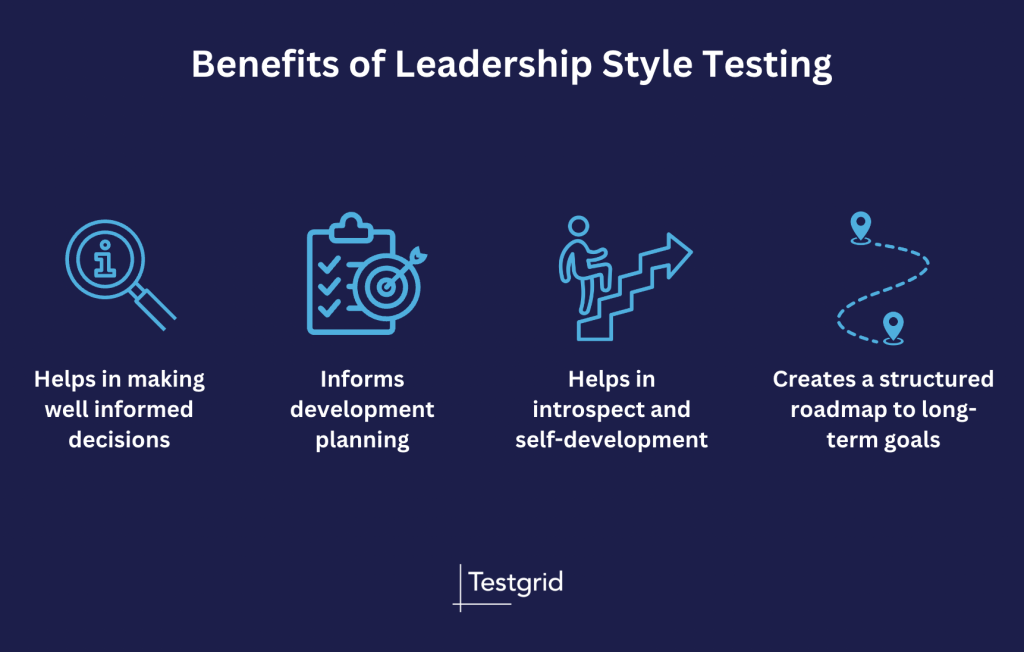
Benefits of leadership style testing

THE BENEFITS OF LEADERSHIP STYLE TESTING

Leadership style testing offers numerous benefits. It helps identify potential leaders with the qualities necessary for success in leadership roles. For existing employees, it informs development planning by tailoring training and programs to enhance leadership effectiveness.

Leadership style testing is also valuable in team building activities, enabling team members to understand each other’s styles and collaborate more efficiently.

Moreover, leadership style testing provides a data-driven approach to identifying leadership qualities beyond traditional assessments. It promotes diversity within leadership teams by recognising individuals with untapped potential, regardless of their conventional qualifications.

This approach reduces unconscious bias in the hiring process, ensuring fair evaluation based on skills and abilities rather than background or personal characteristics.

Limitations and Considerations: While leadership style testing is valuable, it has limitations. One limitation is that it relies on self-reporting, which may introduce biases or inaccurate reporting. One of the key areas that people can use to mitigate this is a combination of a self report measure and a 360 measure – this combines self awareness and perception of others giving you a holistic picture of preferences and performance data.

Additionally, leadership style testing may not fully consider situational factors such as organisational size, complexity, culture, and role demands. It is worth noting that gamified assessments, although engaging and enjoyable, may not offer the same level of insight as traditional assessments like those provided by Testgrid. Gamified assessments may lack the same validity and effectiveness in identifying potential leaders.

Leadership style testing is a valuable tool for employers seeking to identify potential leaders, develop existing leaders, and build more effective teams. By evaluating individuals’ leadership styles, organisations can make informed decisions, foster leadership growth, and cultivate a collaborative and successful workplace. Leadership style testing empowers organisations to leverage diverse leadership approaches and create environments where every individual can thrive.

GET IN TOUCH

If you want to talk to one of our experts about utilising leadership style testing in your organisation, get in touch with our team here, or call 03 9040 1700 to learn more.

What an interview doesn't tell you: Common cognitive aspects often missed during face-to-face interviews

In the fast-paced and highly competitive realm of recruitment, interviews serve as a fundamental component of the hiring process. Yet, despite their importance, interviews frequently overlook the evaluation of a candidate’s cognitive abilities, which are essential for excelling in various positions.

This is where cognitive skills assessment steps in to bridge the gap. By offering a holistic and in-depth evaluation of a candidate’s cognitive capabilities, cognitive skills assessments present a valuable solution. In the following sections, we will delve into the significance of cognitive skills assessments, shedding light on the cognitive aspects that are often overlooked during interviews. Additionally, we will explore how integrating these assessment can significantly enhance the overall hiring process, empowering organisations to make more informed decisions when selecting the best-fit candidates.

THE MISSING PIECES: COGNITIVE SKILLS MISSED IN INTERVIEWS

Several cognitive aspects may be missed and during interviews, hindering a comprehensive evaluation of candidates. Below, we delve into the cognitive aspects that are frequently overlooked and can be effectively assessed through cognitive skills assessment.

Attention to detail: Attention to detail is vital for numerous positions. While candidates may claim to possess this skill, it is challenging to assess its accuracy without objective measures. Cognitive skills assessments provide objective measures of attention to detail, such as error detection in written texts or following complex instructions. Accurate assessments ensures candidates possess the necessary precision for the role.

Problem solving ability: Interviews provide limited opportunities to assess how a candidate approach problem solving. Cognitive skills assessments, on the other hand, measure an individual’s mental capabilities, including verbal reasoning, numerical reasoning, and abstract reasoning. These tests assess a candidate’s ability to analyse information, solve problems, and think critically. They provide valuable insights into a candidate’s overall cognitive aptitude, which is crucial for roles requiring complex problem-solving.

Analytical skills: Evaluating analytical skills solely through interviews can be inadequate. Cognitive skills assessment offers objective measures of analytical ability, such as data analysis and pattern recognition. This assessment reveals candidates who can employ a data-driven approach to problem-solving, benefiting organisations in data-intensive industries.

Multitasking abilities: Multitasking proficiency is highly valued in dynamic work environments. However, assessing multitasking skills during interviews can be limited. Cognitive skills assessment offers objective measures of multitasking ability, including task-switching speed and effective task prioritisation. Identifying candidates with strong multitasking skills ensures they can handle the demands of a fast-paced setting.

cognitive skills missed in interviews

LEVERAGING COGNITIVE SKILLS ASSESSMENTS FOR INFORMED HIRING DECISIONS

Cognitive skills assessment provides a standardised and systematic approach to evaluating candidates’ cognitive capabilities. Unlike subjective evaluations that heavily rely on interviews and resumes, this assessment method offers a scientific and data-driven approach. It allows hiring managers to measure and compare candidates’ cognitive skills objectively, providing a deeper understanding of their problem-solving aptitude, attention to detail, critical thinking, and other cognitive abilities crucial for success in specific roles.

The objective nature of cognitive skills assessment provides hiring managers with concrete data that can be utilised to make informed decisions. By considering candidates’ cognitive strengths and weaknesses, organisations can align them with positions that best suit their abilities, resulting in improved job performance and job satisfaction. This data-driven approach also reduces the risk of a poor hire, as organisations can select candidates who possess the cognitive skills and competencies required for the specific job demands.

ENHANCING THE RECRUITMENT PROCESS THROUGH DATA ANALYSIS

Personality tests are powerful tools for predicting job performance, as they shed light on the traits that align with success in specific roles. One such trait that consistently correlates with job performance is conscientiousness. Individuals high in conscientiousness exhibit qualities such as responsibility, dependability, and meticulous attention to detail, all of which are essential for excelling in roles that require precision and accuracy, such as accounting or project management.

Cognitive skills assessment plays a pivotal role in this pursuit by not only aiding in candidate selection but also providing a wealth of valuable data for analysis. By delving into the assessment results, hiring managers can gain deeper insights into the patterns and trends among candidates, unlocking opportunities to enhance the overall recruitment process.

Analysing the data gathered from cognitive skills assessment opens a window of understanding, revealing valuable information about the candidate pool. It allows organisations to identify common strengths and areas for improvement, helping them fine-tune job descriptions to attract the most suitable candidates. By recognising the trends in cognitive abilities and preferences among applicants, recruitment strategies can be adjusted to align with the desired skill sets and traits. This data-driven approach leads to a more targeted and effective recruitment process, maximising the chances of finding the ideal candidates who possess the cognitive skills required for success in specific roles.

By acknowledging the cognitive aspects that are frequently overlooked in face-to-face interviews, organisations can leverage cognitive skills assessment to gain a more holistic understanding of a candidate’s abilities. This comprehensive evaluation enables businesses to make more informed hiring decisions, leading to the selection of candidates who are not only technically qualified but also possess the necessary cognitive skills to excel in their roles.

benefits of data driven recruitment

GET IN TOUCH

If you want to talk to one of our experts about utilising cognitive assessments in your recruitment process, get in touch with our team here, or call 03 9040 1700 to learn more.

Predicting Job Success with Personality: How Personality Tests Can Help

Personality plays a crucial role in shaping who we are and how we interact with the world.

It is not only a fascinating aspect of human nature but also a powerful predictor of job success. Today, companies are recognising the significance of personality as a reliable indicator of an individual’s potential to thrive in specific roles. As a result, personality tests or behavioural assessments have emerged as a valuable tool for evaluating job candidates and forecasting their likelihood of success within an organisation.

In this blog, we will delve into the intriguing realm of personality tests and explore how they can provide valuable insights into job success. We will examine various factors, including job fit, team dynamics, job performance, and leadership potential, that can be effectively assessed through personality tests. By understanding how these tests can predict success, we can gain a deeper appreciation for the vital role they play in shaping organisational outcomes.

JOB FIT: MATCHING PERSONALITIES WITH ROLES

Personality tests play a pivotal role in the recruitment process by helping employers determine whether a candidate is the perfect fit for a specific job. By delving into a candidate’s unique personality traits, employers gain valuable insights that enable them to make informed decisions about job placements. This thoughtful approach allows employers to align candidates with roles that best capitalise on their individual strengths and abilities, ultimately fostering a harmonious and productive work environment.

Consider, for example, a candidate who exudes natural outgoingness, boundless energy, and a knack for persuasion. These qualities make them an ideal fit for a dynamic sales role where building relationships, closing deals, and captivating customers are paramount. On the other hand, an introspective individual who possesses a penchant for analysis and an unwavering attention to detail may shine in research or analyst positions where their meticulous approach and analytical mindset are invaluable.

By prioritising the alignment between a candidate’s personality and the job requirements, employers pave the way for optimal job success and satisfaction. When individuals find themselves in roles that resonate with their inherent traits and tendencies, they are more likely to thrive, be engaged, and reach their full potential. This, in turn, creates a positive ripple effect throughout the organisation, elevating overall productivity, teamwork, and ultimately, the organisation’s success.

personality assessment job prediction

TEAM DYNAMICS: BUILDING EFFECTIVE AND COHESIVE TEAMS

Personality tests offer valuable insights into how well a candidate will integrate within an existing team, allowing employers to make informed assessments about team dynamics. By comprehending a candidate’s unique personality traits, employers can gauge their compatibility with the established team dynamic, ensuring a seamless and harmonious integration.

By taking into account the varying personality traits, employers can curate teams that are cohesive and synergistic, fostering a positive and collaborative work environment.

By consciously considering personality traits, employers can nurture teams that operate as cohesive units, capitalising on the diverse strengths and perspectives of each team member. A team composed of individuals who complement one another’s personality traits is more likely to generate innovative ideas, tackle challenges with agility, and cultivate a sense of camaraderie. This collaborative environment promotes effective communication, constructive feedback, and the exchange of ideas, ultimately leading to enhanced productivity and job satisfaction among team members.

JOB PERFORMANCE: TRAITS THAT DRIVE SUCCESS

Personality tests are powerful tools for predicting job performance, as they shed light on the traits that align with success in specific roles. One such trait that consistently correlates with job performance is conscientiousness. Individuals high in conscientiousness exhibit qualities such as responsibility, dependability, and meticulous attention to detail, all of which are essential for excelling in roles that require precision and accuracy, such as accounting or project management.

Imagine an accounting firm where attention to detail and accuracy are paramount. By utilising personality tests, employers can identify candidates who possess a high level of conscientiousness. These individuals are more likely to exhibit thoroughness in their work, meticulously reviewing financial data, and minimizing errors. Their strong sense of responsibility ensures that they meet deadlines consistently and deliver work of exceptional quality. As a result, their contributions positively impact the organisation’s overall performance and client satisfaction.

Similarly, in the realm of project management, conscientiousness plays a pivotal role. Project managers must meticulously plan and execute projects, keeping track of multiple tasks, deadlines, and resources. Candidates high in conscientiousness are likely to exhibit a strong work ethic, proactively addressing potential risks and ensuring that every aspect of the project is meticulously managed. Their dependable nature and attention to detail help mitigate risks, meet project milestones, and deliver successful outcomes.

personality test traits that drive success

LEADERSHIP POTENTIAL: IDENTIFYING EFFECTIVE LEADERS

Personality tests serve as valuable tools for predicting leadership potential by uncovering the traits associated with effective leadership. One such trait that has garnered substantial research support is emotional intelligence. Emotional intelligence encompasses a range of skills, including self-awareness, empathy, and relationship building, which are critical for successful leadership.

Leaders who possess high emotional intelligence have a deep understanding of their own emotions, allowing them to navigate challenging situations with composure and self-control. They possess the ability to recognise and regulate their emotional responses, making them adept at handling high-pressure scenarios and maintaining a steady presence in the face of adversity. Their self-awareness enables them to make sound decisions and act in a manner that aligns with the organisation’s goals and values.

Furthermore, leaders with high emotional intelligence excel in understanding the emotions of their team members. They demonstrate empathy, actively listening and considering others’ perspectives, fostering an environment of trust and open communication. This empathetic approach allows them to address the needs and concerns of their team members effectively, promoting a sense of psychological safety and inclusivity. By building strong relationships based on trust and mutual respect, these leaders inspire their teams to perform at their best and achieve collective goals.

emotional intelligence in the workplace

COMPANIES LEVERAGING PERSONALITY ASSESSMENTS

Several notable companies have successfully integrated personality assessments into their hiring processes to predict job success. Here are a few examples:

  1. Hilton Worldwide: Hilton uses personality assessments to identify candidates with empathy and extroversion, essential traits for success in the hospitality industry. This approach has improved employee retention and guest satisfaction rates.
  2. The Vanguard Group: The Vanguard Group employs personality assessments to identify candidates with attention to detail and conscientiousness, key traits in the financial services industry. This practice has helped them identify top performers and enhance their hiring process.
  3. Zappos: Zappos uses personality assessments to find candidates with conscientiousness and agreeableness, vital for success in customer service roles. This approach has led to improved employee retention and customer satisfaction.
  4. Marriott International: Marriott utilises personality assessments to identify candidates with empathy and conscientiousness, crucial traits in the hospitality industry. This practice

GET IN TOUCH

If you want to talk to one of our experts about you can utilise personality testing in your recruitment process, get in touch with our team here, or call 03 9040 1700 to learn more.

Promoting Diversity and Inclusion: How Data-Driven Testing Drives Success

Creating a workplace that embraces diversity and fosters inclusion is not just a trend; it’s a powerful catalyst for success. And to make this vision a reality, organisations are harnessing the power of data-driven testing.

Imagine a workplace where everyone’s unique perspectives, backgrounds, and talents are celebrated and valued. That’s the kind of environment workplaces are striving to create. By embracing data-driven testing, such as the insightful emotional intelligence assessments, organisations are paving the way for a more diverse and inclusive workplace. This approach empowers organisations to drive their diversity and inclusion initiatives forward, unlocking a world of opportunities for long-term success.

In this exciting era of business, where collaboration, innovation, and empathy reign supreme, data-driven testing has emerged as a game-changer. It’s not just about numbers and statistics; it’s about understanding individuals on a deeper level and unlocking their true potential. So, let’s embark on this journey together, as we look at how you can harness the power of data-driven testing to cultivate a workplace where diversity thrives, inclusion flourishes, and success knows no boundaries.

IDENTIFYING HIDDEN POTENTIAL WITH DATA DRIVEN TESTING

Data-driven testing is a powerful tool that unveils a candidate’s hidden potential and their capacity to thrive and make meaningful contributions to an organisation’s success. Emotional intelligence assessments, one such form of data-driven testing, provide valuable information that goes beyond traditional measures. They offer insights into a candidate’s ability to navigate challenges, collaborate seamlessly in diverse teams, and communicate effectively across various backgrounds.

By utilising data-driven testing to identify hidden potential, organisations can break free from traditional hiring methods that may inadvertently overlook candidates with unique strengths and perspectives. Such assessments provide objective and quantifiable data that allows organisations to make more accurate predictions about a candidate’s potential for success.

Imagine a scenario where an organisation relies solely on resumes and interviews to evaluate candidates. While these methods provide some insight, they may not fully capture a candidate’s ability to connect and communicate effectively with colleagues from diverse backgrounds. It is vital for organisations to gain a comprehensive view of a candidate’s abilities, making it possible to select individuals who not only possess the necessary skills but also demonstrate the potential to contribute to a diverse and inclusive work environment.

why data driven testing is good for diversity and inclusions

REDUCING BIAS THROUGH DATA-DRIVEN TESTING

Data-driven testing is a cornerstone of fairness and objectivity in the selection process. Assessments are purposefully designed to be unbiased, providing organisations with a means to evaluate candidates based on objective data rather than subjective impressions. By embracing data-driven testing, organisations can minimise the influence of unconscious bias, ensuring a fair evaluation of candidates and creating opportunities for individuals from diverse backgrounds who may have been overlooked in the past.

Unconscious bias can unknowingly influence decision-making, even when employers strive to be fair and impartial. Subjective methods like interviews and resume evaluations can inadvertently introduce bias, as personal preferences and preconceived notions may unintentionally impact the selection process. However, data-driven testing eliminates this bias by focusing on quantifiable data points and objective metrics.

Examples of bias in recruitment

For example, when relying solely on interviews, hiring managers may unknowingly favour candidates who share similar backgrounds or characteristics, inadvertently excluding qualified individuals from diverse backgrounds. However, by incorporating assessments, organisations can shift the evaluation process towards a more objective and inclusive approach. These assessments provide measurable insights into a candidate’s emotional intelligence, communication skills, and problem-solving abilities, offering a standardised and fair assessment of their potential to succeed in the role.

ENHANCING TEAM DYNAMICS WITH DATA DRIVEN TESTING

Data-driven testing enables organisations to identify candidates with high emotional intelligence, fostering collaborative and supportive teams. Inclusive teams that embrace diversity in experiences and backgrounds, coupled with strong emotional intelligence, contribute to harmonious and productive work environments. Prioritising emotional intelligence in team composition leads to improved collaboration and better utilisation of collective strengths.

When diverse team members come together, they bring a wealth of unique perspectives and experiences. This diversity enriches problem-solving processes and promotes innovative thinking. It allows for a broader range of ideas and approaches, enabling teams to tackle complex challenges from multiple angles.

diverse companies outperform

INCREASING EMPLOYEE ENGAGEMENT AND RETENTION THROUGH DATA-DRIVEN TESTING

Creating a diverse and inclusive workplace goes beyond simply checking boxes—it fosters a deep sense of belonging among employees, leading to heightened levels of engagement and improved retention rates.

When employees feel a strong sense of belonging, they are more likely to remain loyal to the organisation over the long term. They develop a deep-rooted connection to the company’s mission and values, feeling that they are part of something meaningful and significant. This emotional attachment cultivates a sense of loyalty, reducing turnover rates by 22% and the associated costs of hiring and training new employees.

ENHANCING COMPANY REPUTATION WITH DATA-DRIVEN TESTING

Organisations that prioritise and actively promote diversity and inclusion gain a competitive edge in the marketplace. They not only enhance their reputation but also attract top talent that seeks out inclusive work environments. By demonstrating a genuine commitment to diversity and inclusion, organisations become magnets for highly skilled individuals who value and appreciate workplaces that celebrate and embrace differences.

A positive reputation for diversity and inclusion resonates with both job seekers and customers alike. Candidates who are in the job market today consider factors beyond just the job description and salary. They are increasingly drawn to companies that prioritise diversity and inclusion, as it reflects a progressive and forward-thinking approach to employee well-being and success. Such candidates are actively seeking out organisations that embrace diversity as a core value and provide a safe and inclusive space for individuals to grow and thrive.

Moreover, a reputation for diversity and inclusion resonates with customers and clients. In today’s socially conscious world, customers are increasingly mindful of the organisations they choose to support. They are attracted to companies that align with their values and demonstrate a commitment to inclusivity and fairness. Customers appreciate organisations that prioritise diversity in their workforce, as it reflects a dedication to understanding and serving diverse customer needs.

GET IN TOUCH

If you want to talk to one of our experts about how we can help drive your success with the right people, get in touch with our team here, or call 03 9040 1700 to learn more.

You can learn more about the importance of Diversity and Inclusion in Part 1 of our D+I Ebook series.

Where To Use Psychometric Testing in Your Hiring Process

A comprehensive guide

As the job market becomes increasingly competitive, employers are constantly on the lookout for top-notch candidates to fill their open positions. Fortunately, psychometric testing is the most valuable tool that can help employers achieve this goal.

Psychometric testing not only helps employers make more informed decisions but also brings a human touch to the hiring process. By delving into the depths of a candidate’s abilities, psychometric testing provides valuable insights that go beyond a traditional resume or interview. It’s like peering into the inner workings of a candidate’s mind to truly understand their potential. With psychometric testing by their side, employers can confidently navigate the recruitment journey and unlock the true potential of their workforce.

In this blog post, we will delve into the various stages of the hiring process where psychometric testing can be effectively utilised, emphasising the benefits and looking at the various uses.

7 reasons to use psychometric assessments

WHY USE PSYCHOMETRIC TESTING?

Psychometric testing offers numerous advantages when it comes to the hiring process. By implementing this scientifically backed approach, organisations can identify the best potential hires for their specific roles, increasing their value to the business and improving retention through alignment. Let’s explore the key benefits of utilising psychometric testing in your hiring process:

      1. A Baseline to Identify the Best Potential Hires:
        Psychometric testing serves as a baseline to evaluate candidates objectively and identify the most suitable individuals for your organisation. By going beyond resumes and previous work experience, psychometric assessments allow you to assess candidates’ key skills, preferences, and potential for growth. This approach helps you make more informed decisions and identify candidates who align with the role’s requirements.
      2. Proven, Legally Defensible, and Science-Backed Approach:
        Psychometric testing provides a reliable and legally defensible method for recruitment. These assessments are developed based on rigorous research and adhere to established scientific principles. By relying on a well-validated and standardised approach, you can make confident and informed hiring decisions while mitigating potential biases.
      3. Increasing Diversity of Hires:
        Psychometric testing promotes diversity and inclusivity by relying on objective and fair data. Traditional hiring methods, such as relying solely on resumes or unstructured interviews, can be influenced by unconscious biases. By leveraging psychometric assessments, organisations can reduce bias and ensure a more equitable and diverse selection process, leading to a more inclusive workforce.
      4. Improving Time to Hire and Reducing Costs:
        Efficiency is a key advantage of psychometric testing. By screening candidates early in the recruitment process, employers can streamline the selection process, saving time and resources. With psychometric testing, assessments can be administered to a large number of candidates simultaneously, accelerating the screening phase and shortening time to hire. Additionally, reducing time spent on lengthy administrative tasks enables HR teams to focus on other critical aspects of the hiring process.
      5. Enhancing Retention and Performance:
        Psychometric testing helps improve employee retention by aligning individuals with roles that suit their skills, preferences, and potential for growth. By identifying candidates who are well-suited for the position and organisational culture, employers can create a more engaged and productive workforce. Matching candidates with the right role increases job satisfaction, reduces turnover, and leads to fewer job vacancies.
      6. Aligning Results with Role Requirements and Development:
        Psychometric testing allows you to align assessment results with specific skills or competencies required for the role. By defining the role’s key requirements and desired attributes, you increase the likelihood of making the perfect hire. Moreover, the data obtained from psychometric assessments can be utilised for effective onboarding and targeted people development initiatives, further maximising the value of new hires.
      7. Filling the Gaps in Traditional Methods:
        Traditional hiring methods, such as resume screening, job experience evaluations, and unstructured interviews, may not provide a complete picture of a candidate’s suitability for a role. Psychometric testing offers a data-driven and standardised approach, providing valuable insights that complement traditional methods. By incorporating psychometric assessments, you can make more informed decisions and identify candidates who possess the necessary cognitive abilities, personality traits, and potential for success.

USING PSYCHOMETRIC TESTING EARLY IN THE RECRUITMENT PROCESS

Early screening through psychometric testing offers significant advantages in the hiring process. By incorporating assessments early on, employers can efficiently narrow down a large pool of candidates and identify the most suitable individuals for further evaluation.

Moreover, psychometric testing provides a standardised and consistent evaluation process, ensuring that all candidates are assessed using the same criteria. This objectivity helps reduce biases that can arise from subjective judgments during initial resume screening or interviews. By relying on scientifically validated assessments, employers can make fair and unbiased comparisons among candidates, based on their performance on the assessments.

psychometric testing quote

Overall the most effective approach is to ensure that you are assessing the key competencies throughout the process and ideally multiple times in the process.  Testing should ensure that you are only spending the time interviewing candidates that are more likely to proceed.  Test early and widely wherever possible with appropriate length of test to ensure high completion rates.

WHERE TO USE PSYCHOMETRIC TESTING IN THE RECRUITMENT PROCESS

where to use psychometric testing in the recruitment process for volume hiring and professional hiring

LEVERAGING PSYCHOMETRIC TESTING FOR PROMOTION AND SUCCESSION PLANNING

Identifying Internal Talent

Psychometric testing is an invaluable tool for internal promotion and succession planning within organisations. By utilising assessments to evaluate the cognitive abilities and personality traits of current employees, employers can identify individuals who demonstrate the potential to excel in higher-level roles or leadership positions. This strategic approach allows companies to leverage the talent they already have within their workforce, reducing the need for external recruitment and the associated costs.

Identifying employees who are best suited for higher-level roles through offers several benefits. Firstly, it helps organisations retain valuable talent by providing growth opportunities for high-performing employees. Instead of losing these individuals to external job offers, companies can offer internal promotions based on objective assessment results. This recognition and career progression contribute to improved employee satisfaction, engagement, and loyalty.

Additionally, by promoting from within and leveraging the existing knowledge and experience of employees, organisations can minimise recruitment and training costs. Hiring external candidates often involves significant expenses associated with job postings, candidate sourcing, interviews, and onboarding processes. By identifying and developing internal talent, organisations can reduce these costs and streamline the transition into higher-level positions. Furthermore, internal promotions tend to have a positive impact on team dynamics and organisational culture, as they demonstrate a commitment to nurturing and advancing employees’ careers.

Targeted Training and Development

By analysing the assessment results, employers can gain a deep understanding of each employee’s individual strengths and areas that may require improvement. This data-driven approach allows organisations to tailor training programs to address specific skill gaps and enhance employee performance.

Identifying areas of strength through psychometric testing enables employers to capitalise on employees’ existing competencies and further refine those skills. By providing targeted training in areas where employees excel, organisations can foster a culture of continuous improvement and specialisation. This focused development approach not only enhances employee performance but also cultivates a sense of mastery and expertise, leading to increased job satisfaction and engagement.

Equally important, psychometric testing helps uncover areas of weakness or areas where employees may need additional support. By identifying these areas early on, employers can develop personalised training plans to address skill gaps and enhance employee capabilities. Whether it’s technical skills, problem-solving abilities, or communication proficiency, targeted training programs can help employees acquire the necessary competencies to excel in their roles.

Psychometric testing offers a highly effective approach to incorporating psychometric assessments into your hiring process. With the ability to administer tests to a large number of candidates efficiently, online testing streamlines the selection process. Moreover, it provides standardised results, minimising the potential for interviewer bias and facilitating automated scoring and report generation.

By strategically integrating psychometric assessments, employers can make better-informed hiring decisions, improve employee productivity and retention, and ultimately achieve better results for their organisation.

Ensure your next hire is your best hire yet

Enhance your hiring process today by leveraging the power of psychometric testing. You can reach out to one of our experts or call 03 9040 1700 to learn more.

Common Assumptions about Psychometric Testing

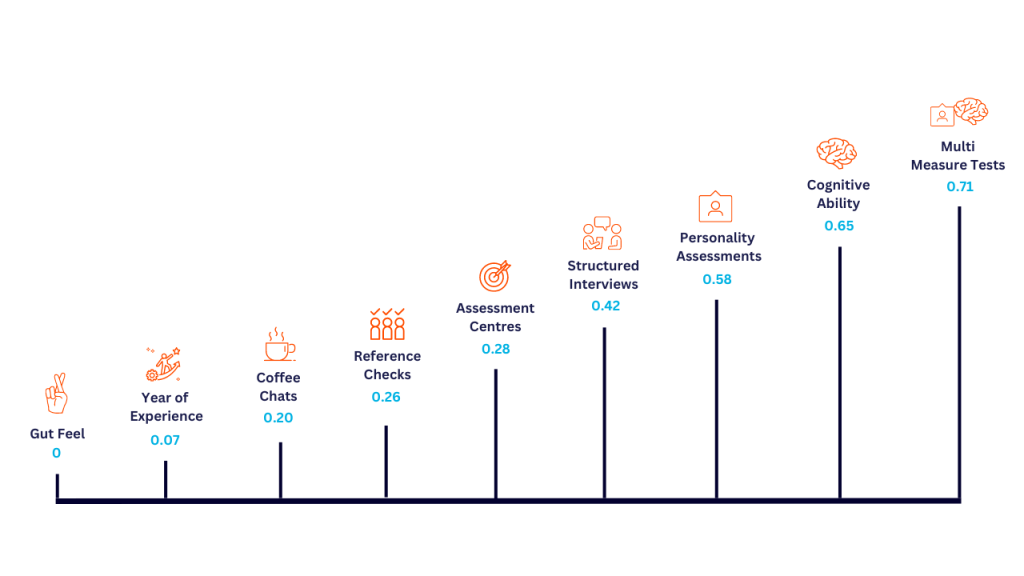
The statistics are in and the numbers don’t lie. Psychometric assessments really are the best indicator of how a candidate will perform on the job. Cognitive ability and conscientiousness are the strongest predictors of future job performance. Also, amongst the various different elements measured, problem-solving ability is most strongly linked to success on the job.

Psychometric testing allows recruiters to make smarter and faster hiring decisions and select the best person for the job. It helps to also make the recruitment process more tailored to the individual. For example, personality tests are often used to inform a behavioural interview. This approach ensures that both candidate and company make the right choice – ultimately leading to a more successful match and long-lasting working relationship.

testgrid psychometric assessments assumptions 2023

So, if assessments are so good? What’s stopping you?

In this article we walk through some of the most common assumptions hiring managers make when it comes to psychometric assessments. These often act as barriers when it comes to including these screening tools in the recruitment process and ultimately cost the business more time and money.

Let’s look at these assumptions.

There are several barriers to using psychometric assessments in recruitment. Some of them are:

The Assumption: High Cost

Psychometric assessments can be expensive, especially if an organisation needs to assess a large number of candidates. This cost can be a significant barrier for smaller organizations or those with limited budgets.

The Reality

The cost to add psychometric assessments to your recruitment process can be minimal and in comparison to the results the cost really isn’t a factor. Consider that the average cost to replace an employee is between 15 per cent and 21 per cent. Does that sound expensive?

According to a BambooHR survey, 68 per cent of new hires leave within the first three months, and 90% of employees remain open to new opportunities even if they are not actively looking for a new job.

Psychometric assessments allow you to recruit quality candidates that WANT to work for your organisation and allow you to find the best candidate for the role, making them less likely to resign or fail within the first few months.

The Assumption: Validity and Reliability

There are many non-believers out there and for good reason. There is a plethora of assessments that do not possess the validity credentials required to find a quality candidate. These are often the shiniest new assessment platforms that promise the best candidate experience (CX) but do not have the scientific backing to actually determine who the right candidates are.

The Reality 

Testgrid is an agnostic supplier of psychometric assessments, which means we provide assessments from proven publishers and our assessments are data backed and based on science.

The Assumption: Bias

A key assumption is that psychometric assessments can introduce bias into the recruitment process. For example, if the assessment is not culturally sensitive, it may disadvantage candidates from certain backgrounds.

The Reality

Our assessments remove bias from the recruitment process by allowing organisations to measure candidates’ ability and workstyles based on such factors as the suitability to the role or alignment company values and culture.

Our assessment range include indigenous norm groups and we even have assessments for neurodiverse candidates. This ensures assessments are fair and accurate no matter the candidate’s background.

The Assumption: Technical Knowledge

Many recruiters view psychometric assessments as complex, and some recruiters feel they may not have the technical knowledge or training needed to administer them correctly.

The Reality

Our assessments are easy to use and the reports generated guide you through the candidate results and teach you how to interpret them. In addition, our Expert Services team will walk you through the report results and we can provide debriefs for individual candidates, where relevant. We also provide workshops to upskill recruitment teams on using our assessments.

The Assumption: Time Constraints

There is a myth that psychometric assessments can be time-consuming for candidates and recruiters alike, which can be a barrier to their use in recruitment.

The Reality

This is untrue, we have a range of assessments for various roles and some of our assessments can be completed in under 2 minutes.

Overall, while psychometric assessments can be useful tools in recruitment, it’s important to weigh their potential benefits against the barriers to their use and ensure that they are used in a fair and ethical manner.

If you would like to learn more about how you can improve your recruitment process from get in touch or call 03 9040 1700 to learn more.

The Commercial Impacts of a Bad Hire: Mitigating Risks for Your Business

To hire or not to hire?

Getting your hiring decisions right is always a cause for celebration and relief! It means that you can keep pursuing your corporate goals with renewed enthusiasm.  However, if you do happen to make the wrong choice, it can have catastrophic consequences for your business. So, it’s important to choose wisely and make informed decisions when it comes to hiring new talent.

Unfortunately, despite the many measures and policies organisations take to ensure they hire the best people, occasionally a new starter can become an unexpected problem. Despite having the right experience, credentials and breezing through the interview process, the ‘ideal’ candidate can for whatever reason, turns out not to be suitable for the position they’ve just filled. A Bad hire is more common than you might think. According to a Harvard Business Review article, only 19% of new hires are considered fully successful and by the 18-month point, 46% are actually deemed failures- for either resigning of their own accord or having their employment terminated.

A bad hire can cause a cascade of negative consequences that can affect the bottom line, damage the company’s reputation, and impact the morale of the team. The financial and legal costs of a bad hire can be substantial, and the impact on company culture can be long-lasting.

However, by being aware of the risks and taking proactive steps to mitigate them, businesses can ensure that they are making the best hiring decisions for their organisation. In this blog, we will explore the potential commercial impacts of a bad hire and provide strategies for mitigating these risks, including the use of pre-employment assessments, team involvement in the recruitment process, and investment in onboarding and training.

impact of a bad hire graphic

THE FINANCIAL IMPACT OF A BAD HIRE

One of the most significant and obvious commercial impacts of a bad hire is financial costs. The cost of hiring a new employee can be substantial, with recruitment costs, onboarding, and training. According to the AFR, depending on a candidate’s seniority, the mistake can cost a business between 15 per cent and 21 per cent more than the employee’s salary, based on lost revenue, lost productivity, and additional performance management and training resources.

This can be a significant cost, particularly if the business uses recruitment agencies or consultants to find suitable candidates. Furthermore, a bad hire can impact the company’s productivity and revenue. A new employee who is not suitable for the role may take longer to get up to speed, causing delays in projects or work. They may also make mistakes that cost the company money or lead to lost opportunities. These costs can add up quickly, particularly in industries where time is critical, such as manufacturing, construction, or technology.

Furthermore, when this happens, the organisation has to spend additional money to re-advertise the role and re-start the recruitment process, losing approximately 16 weeks/4 months to this process.

The length of time it take to replace a bad hire. Cost of a bad hire

THE LEGAL RISKS

The legal ramifications of a bad hire cannot be ignored. If a new employee causes harm or injury to others, the company may face legal action and potential financial damages. This can lead to significant legal costs, as well as damage to the company’s reputation and brand image.

In addition, if the employee engages in discriminatory or harassing behaviour, it can not only result in expensive lawsuits but also have negative implications for the company’s culture and employee morale. Furthermore, bad hires may also result in breaches of confidentiality, intellectual property theft, or violation of data protection laws, all of which can result in significant legal and financial repercussions. It’s crucial for businesses to take proactive measures to mitigate these risks and ensure that they are hiring the best-fit candidates for their organisation.

THE IMPACT ON CULTURE

The impact of a bad hire is not limited to financial costs or legal risks. The negative impact of a bad hire on company culture can manifest in various ways. For instance, if the new employee is not a good fit for the company’s values and culture, it can cause resentment among existing team members. This can lead to decreased collaboration, communication breakdowns, and decreased productivity. Furthermore, a bad hire who is not open to feedback or unwilling to learn can frustrate colleagues and hinder the team’s progress.

In some cases, a bad hire may even try to undermine their colleagues or take credit for their work, leading to a toxic work environment that erodes trust and destroys morale. Ultimately, the impact of a bad hire can be felt across the organisation, affecting not only the immediate team but also the company’s overall reputation and ability to attract and retain top talent.

bad hire effect on company culture

MITIGATING THE RISKS OF A BAD HIRE

The first step organisations need to take is having a closer look at their recruiting practices. Conducting a detailed audit of job ads, hiring, interviewing and assessment practices should highlight any areas for improvement. For example, are you providing a realistic description of your roles in your job advertisements? If you’re not sure, we have a job-ad template you can download here. Do you need to incorporate assessments into your selection processes? Do you under-evaluate personality traits?

Hiring the right person is crucial for the success of any business. It’s important to find someone who not only has the right skills and qualifications but also adds to your company culture.

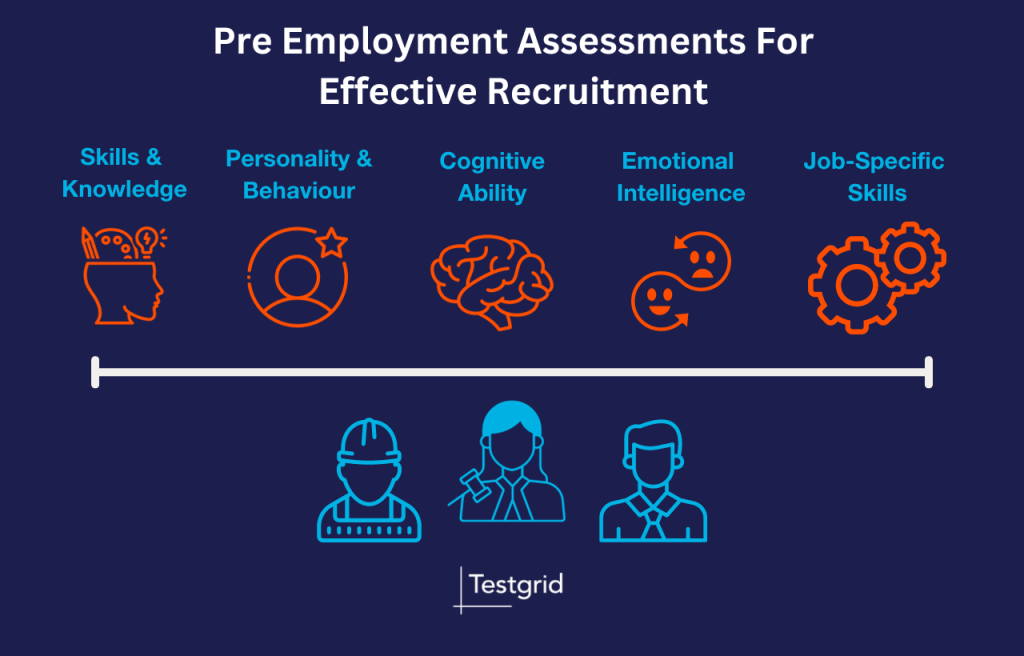
Using pre-employment assessments, such as psychometric testing, can help identify the best candidates. These tests evaluate personality traits, cognitive abilities, and skills, giving businesses a comprehensive understanding of a candidate’s potential fit.

Behavioural assessments are equally important in determining the best hire. These tests evaluate how a candidate behaves in specific situations, giving businesses insight into how they may handle different scenarios on the job.

Additionally, skills assessments can provide a deeper understanding of a candidate’s specific skills related to a particular job function.

But assessments alone aren’t enough. Combining them with interviews and reference checks allows businesses to make informed hiring decisions. And investing in onboarding and training for new employees can help ensure they have the necessary skills and knowledge to succeed in the role. This can also help the new employee understand the company’s culture and values, reducing the risk of clashes and increasing their chances of long-term success with the company.

Ensure your next hire is your best hire yet

If you are looking for advice or more information on how to improve your recruitment processes, you can reach out to one of our experts or call 03 9040 1700 to learn more.

Cognitive Aptitude Testing – A Complete Guide for Recruiters

Conventional recruitment processes are a good starting point but are also restrictive in terms of how deeply and accurately can they help assess a candidate. Combined with unconscious human bias, hiring decisions often go wrong and cause businesses millions of dollars in associated costs and time.

Cognitive aptitude testing enables hiring teams to look beyond the surface and make fair hiring decisions. Backed by science and many years of generating accurate results – they have become a powerful tool within the HR sector.

Cognitive aptitude testing provides an extensive measure of an applicant’s cognitive abilities. Such as observation and attention to detail, problem-solving, critical thinking, numerical and spatial reasoning, language comprehension etc.

These assessments indicate how likely it is for a candidate to be successful in the role and within the organisation. Recruitment decisions based on pre-employment cognitive aptitude assessment have shown a higher retention rate and increased diversity amongst team members, both these attributes are highly relevant to high-functional, productive and progressive teams.


The different types of cognitive ability

There is a diverse range of cognitive abilities assessed in the pre-employment cognitive aptitude test. Every participant will perform and score differently, indicating their unique strengths.

Given the requirements of a specific role and organisation, scoring high on certain metrics may be more relevant than others. During your consultations will Testgrid, we will help you identify the metrics most relevant to the requirements of hiring for your business.


Numerical Reasoning

This section tests a candidate’s ability to understand data, read tables and graphs and make sound interpretations to aid growth and performance. If a role requires decision making based on numerical data, such as accounts, performance & growth marketing, sales and data science – those candidates must score highly in this section.


Verbal Reasoning

Verbal reasoning indicates a candidate’s aptitude for comprehending language. Their ability to communicate clearly using written and verbal communication, understand data, as well as, be able to identify key messages in the text is determined throughout this section. Customer/client-facing jobs such as customer service representatives, client leads and account managers, as well as those working within human resources will benefit from having a high aptitude for verbal reasoning.


Abstract Reasoning

Abstract reasoning assesses whether a candidate can engage in creative problem-solving, do they pay attention to implicit details and if they can identify complex patterns. It also indicates a candidate’s ability to think objectively in most situations. These are attributes relevant to those in design and analysts jobs.


Mechanical Reasoning

This section is indicative of a candidate’s ability to understand and apply complex mechanical concepts. The ability to do so is highly relevant to those working in defense, emergency services, engineering and to machine operators.


Spatial Ability

This ability is highly relevant to architects, construction site workers and engineers. It indicates a candidate’s ability to comprehend, memorise, transform and visual and spatial objects.


Testing for cognitive aptitude while recruiting

Hiring the right talent is a challenge faced by most businesses. It can be difficult to assess how well a candidate will perform in a given role. However, it’s possible to generate reliable predictions with Testgrid.

Cognitive aptitude testing has become one of the most sought-after ways of determining a candidate’s performance. It’s become the tool of choice for hiring managers around the world to make fair and dependable recruitment decisions.

Find out about job performance and hidden potential

Cognitive aptitude testing is the most hassle-free and reliable means of identifying potential in a candidate. Backed by technical expertise, it can help you assess whether a candidate has the necessary skills, training and experience to carry out the expected responsibilities for a role – to the utmost standard.

Cognitive aptitude tests can help your save time and money

Cognitive aptitude testing can help you narrow down candidates with potential, thus, adding a layer of scientific validation to hiring decisions and reducing chances of mis-hires and early resignations. This also enables companies to save time by only interviewing applicants who have shown the required expertise for the role. Therefore, this method of screening applicants is both time and cost-effective.

Cancels out scope of any bias in hiring decisions

Even the most well-meaning hiring managers can fall prey to unconscious bias. They may have a preconceived notion of who may perform well in a given role. Therefore, taking away from the objectivity that’s necessary to give each candidate a fair chance and equal opportunity. Using this method allows recruiters to assess each candidate based purely on their intelligence and capability.


The different types of cognitive aptitude tests you’ll find

There are A LOT of assessments available to measure aptitude, so it’s important you know what you are looking for before you start. Firstly, when deciding which aptitude assessments to select for your recruitment process, you must first look at the key requirements of the role.

Due to the broad range of assessments available you need to consider what is important with a given role that you need to identify in your candidates.

Let’s look at 2 examples using roles that vary in function and seniority.

Role #1 Apprentice/s

Consider a mining company hiring an mechanical engineer or electrician. Each role would have its own requirements specific to the role (see previous A LOT of assessments comment) but a general rule of thumb would be that an apprentice should be able to read and understand a technical manual. Therefore, an assessment or including questions that assess verbal and mechanical reasoning ability would be a prudent investment in your recruitment process.

Role #2 Senior Executive

There are a lot of factors to consider when designing a recruitment process for executive roles but one to consider would be that the successful applicant should be able to understand data presented in graphs and take action on this data using critical thinking. These can be assessed using numerical reasoning and abstract reasoning assessments.


Preparing candidates for success

Cognitive aptitude test is becoming popular and essential to the recruitment process. One of the leading reasons being that it ensures that the selected candidate is prepared (and/or can be trained in the capacity) to perform their tasks and responsibilities to the expected standard.

It reduces the chances of early resignations resulting from employees feeling overwhelmed and under-prepared once they start the job. This is especially relevant for roles and industries that require technical expertise.

Even as grown-ups, taking tests can provoke stress. Therefore, maintaining caution and transparency while conducting any pre-employment assessments is highly important. This is a great opportunity to positively position your organisation and its culture to prospective employees.

All applicants testing for a particular position must undertake the same assessment and be required to meet the same benchmark. In addition, each applicant must receive ample and honest communication about what they are being tested on. This will also ensure that the candidates perform in the assessments only under eustress and feel well prepared.

There are ways to factor in socio-cultural and economic differences, as well as, make arrangements for candidates with special needs to be assessed fairly in comparison to their peers. This empowers workplaces to be fair and give equal opportunities to candidates from varying background and with diverse skillsets.


Use the most comprehensive cognitive aptitude assessments available

Testgrid has been providing pre-employment assessment solutions to businesses for over two decades. We have worked across many industries and have earned our position as the market leader by working in consultation with our clients – at every step of the way!

We have the ability to customise pre-employment assessments to best meet your recruiting needs, so you can hire the right candidate and continue growing your business. With leading employment testing technology and assessment science, Testgrid can help hiring managers optimise selection and realise exceptional talent acquisition results.

We exist to empower organisation to achieve success through people.

To find out more or to book a demo/consultation – email us at hello@testgrid.com or call us at 1300 878 473 (Australia)/0800 000 849 (New Zealand).